A Traditional Japanese Musical Instrument with a history spanning nearly 500 years.
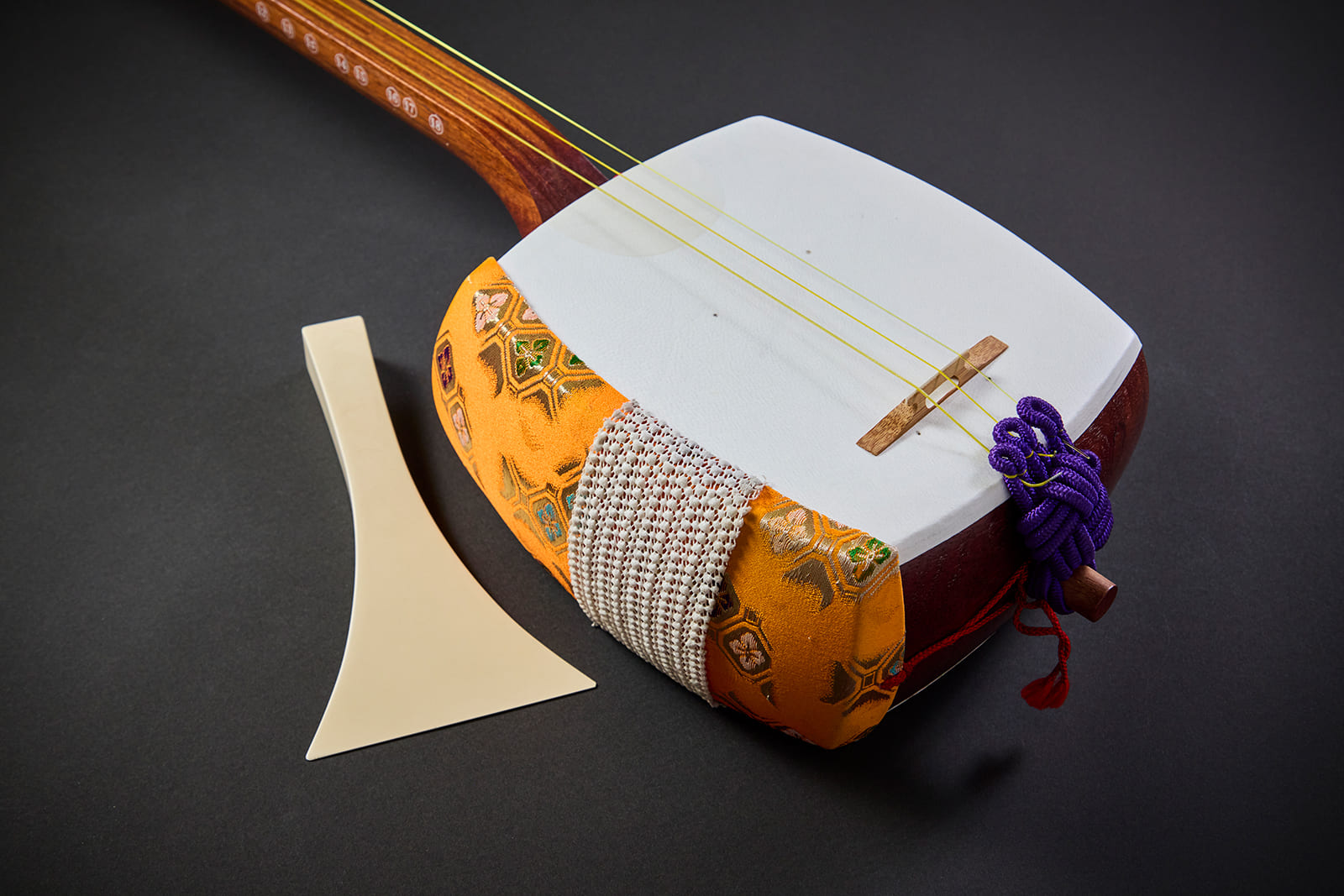
The Shamisen is said to have originated from the sanxian, a musical three-stringed instrument that emerged in China during the Yuan dynasty. Around the end of the 14th century, the sanxian reached the Kingdom of the Ryukyus, where it became known as the Jabisen (snake-skin lute) because it used snakeskin as a material. Later, toward the end of the Muromachi period (1558–1570), the Jabisen was brought to mainland Japan, where it evolved with unique materials and playing techniques to become the Shamisen.
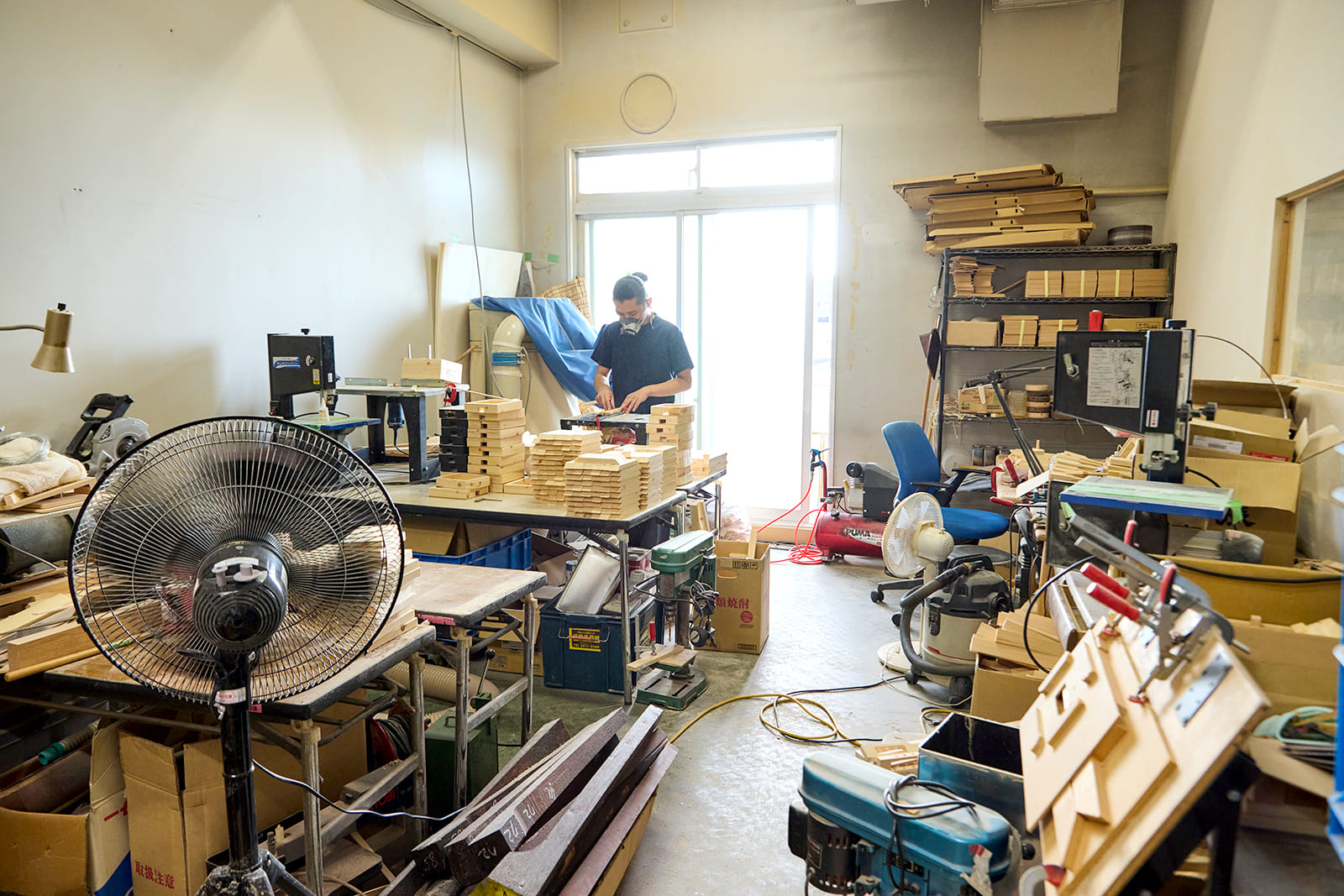
The Tokyo Shamisen crafted at Sangenshi Kikuoka is characterized by the fact that a single artisan handles the entire manufacturing process. It takes at least 10 years of training for an artisan to become fully skilled in this craft.
Custom-Made for Each Player
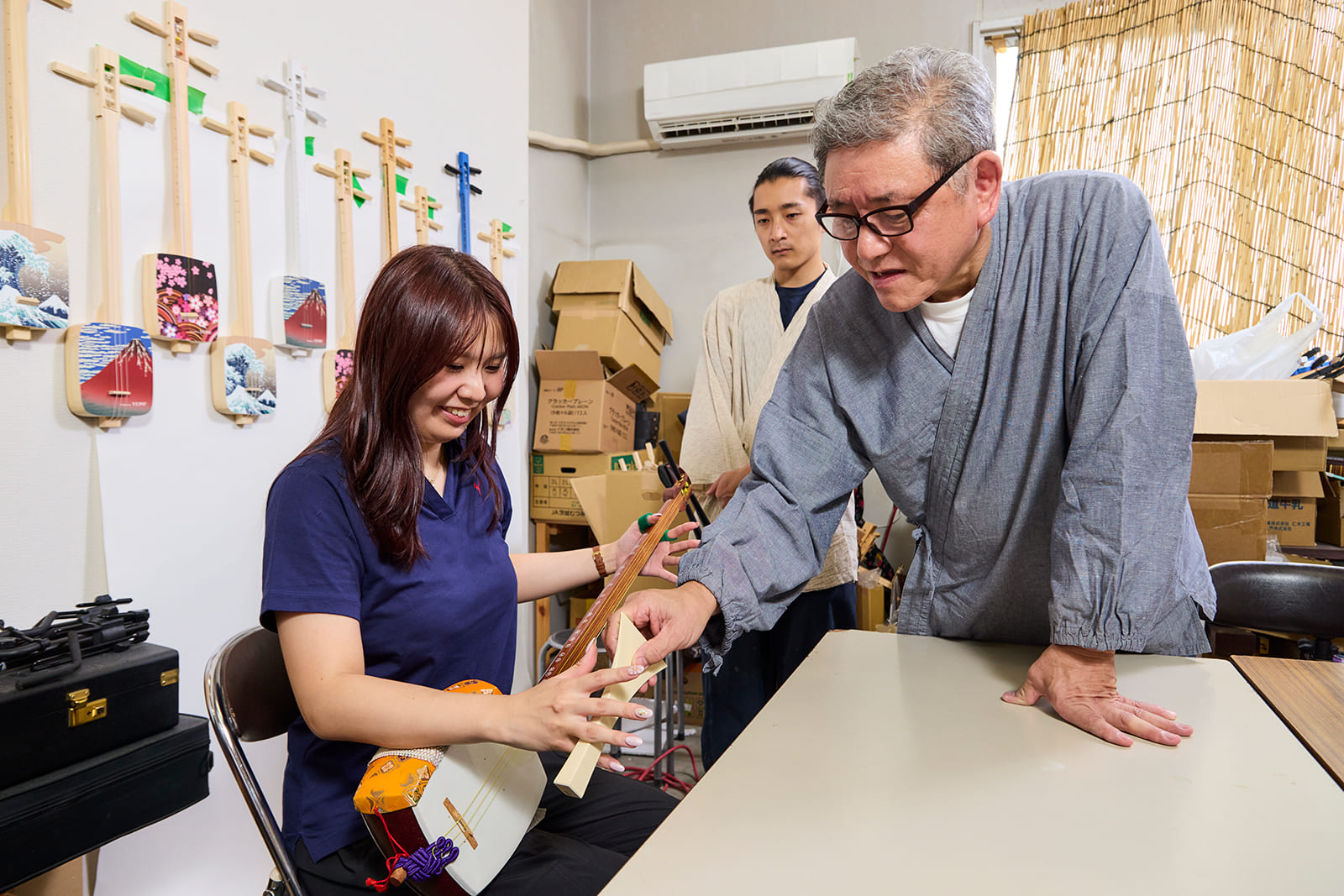
At Sangenshi Kikuoka, each Shamisen is made to suit the individual player, taking their hands and physique into account before the crafting process starts. Just as hands differ in size, each player has their own preferences when it comes to sound. Because the materials and tools used affect how Tokyo Shamisen turns out, working closely with the individual player is an essential part of the craft.
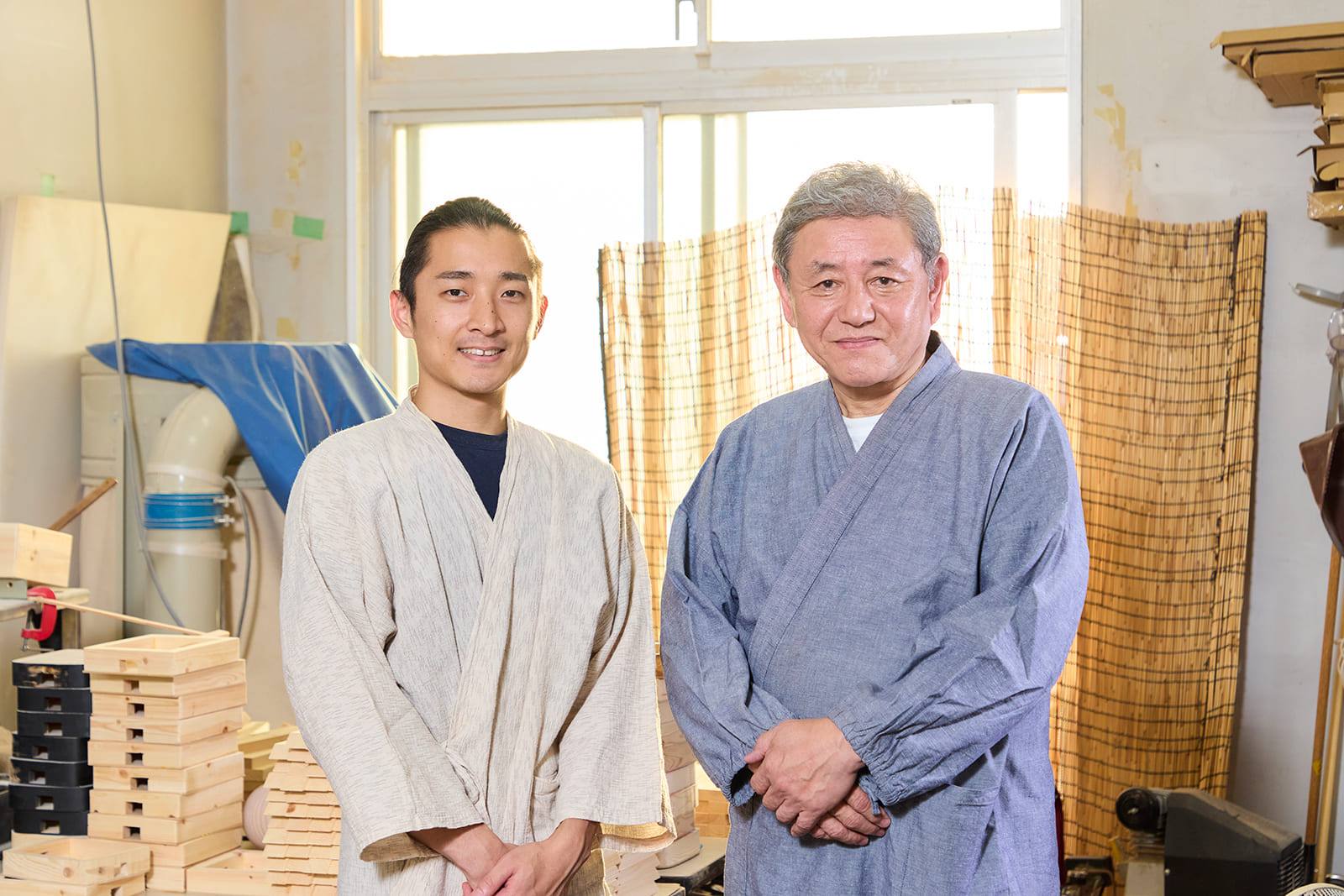
Instructor Mr. Kimiaki Kono, a certified Tokyo Meister, brings an impressive 38 years of experience to the craft. His dedication to both the player and the instrument, together with his wealth of experience, helps give his shamisen their pleasing sound.
Create Your Own Chinton with Your Favorite Design and Color
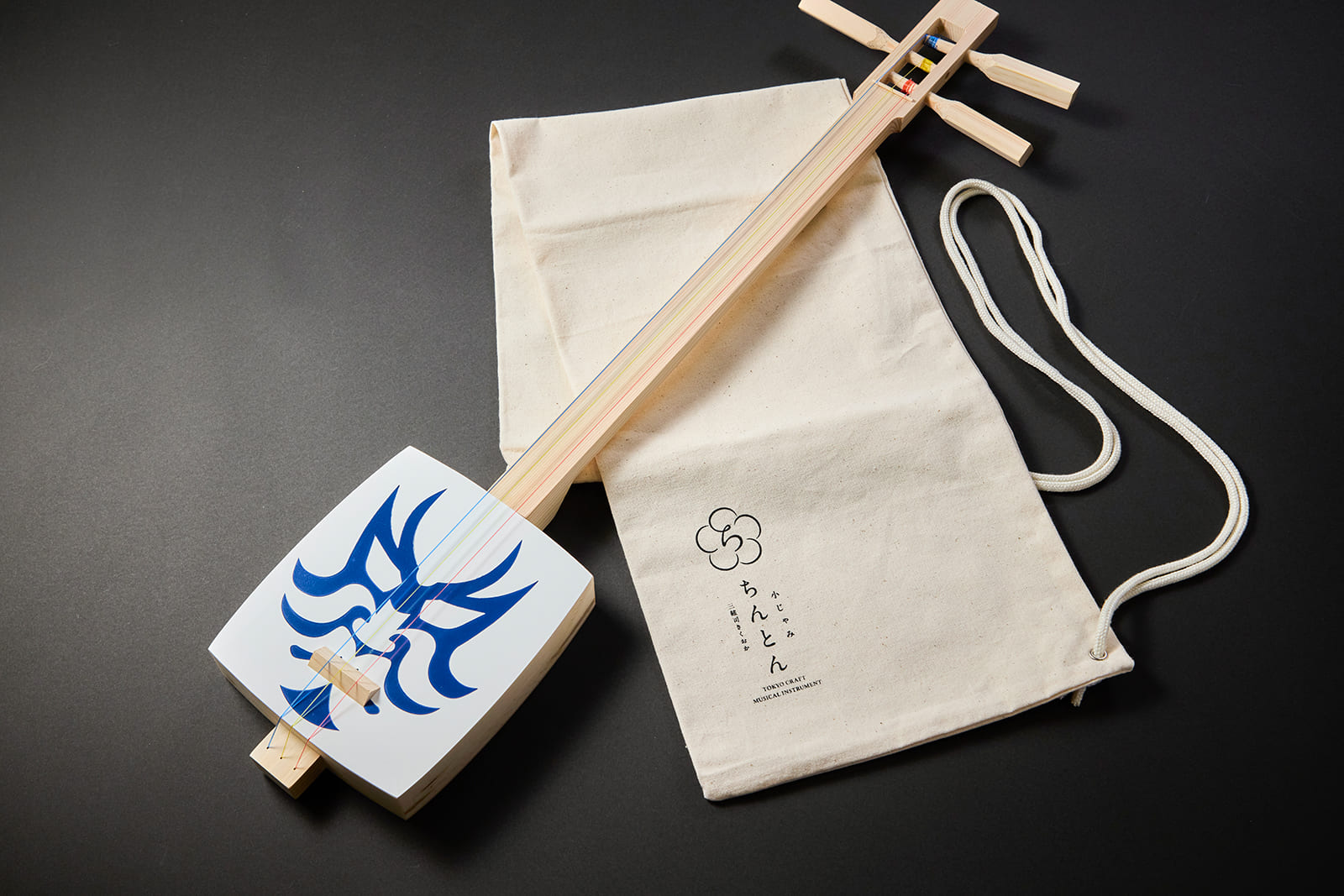
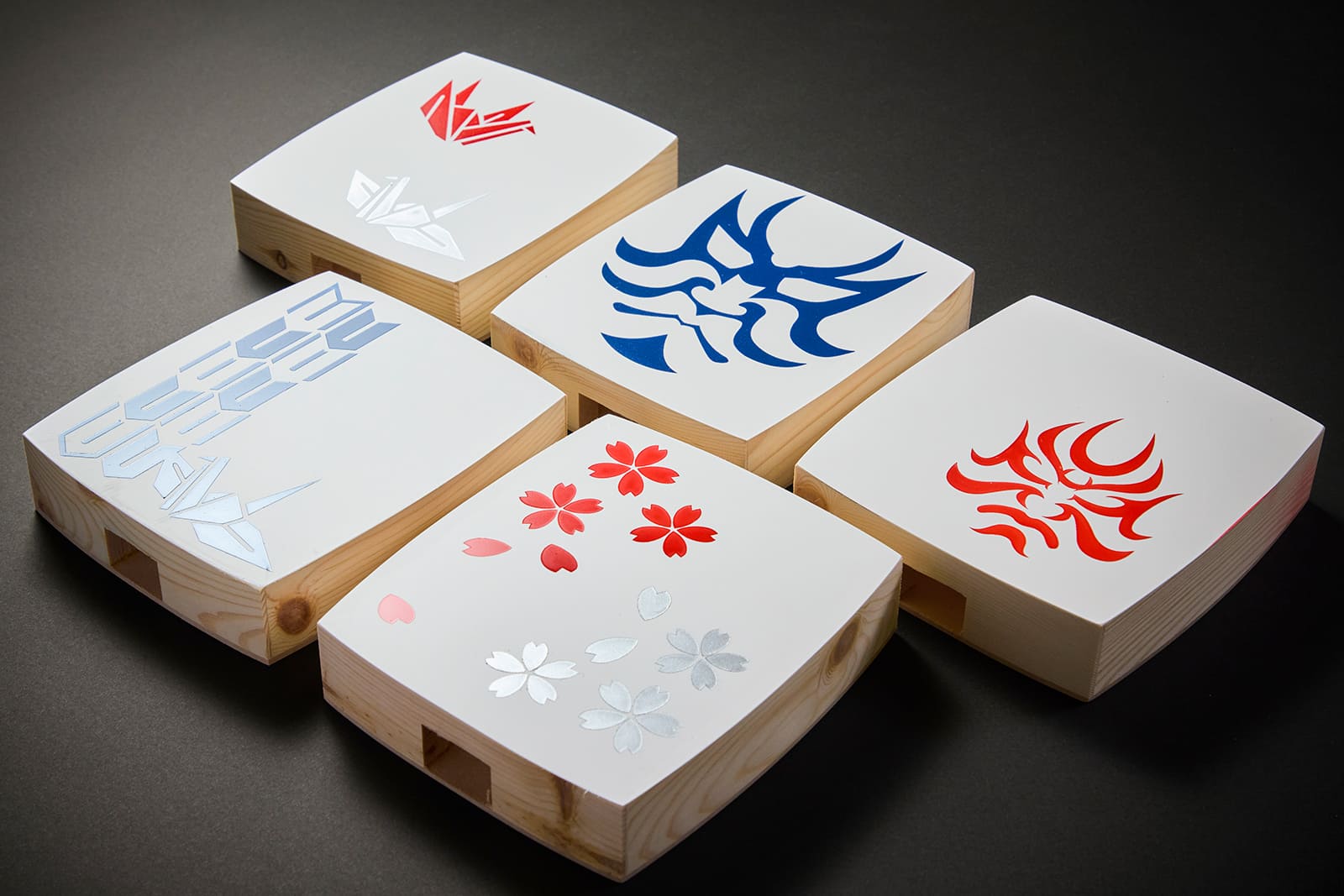
Your experience at Sangenshi Kikuoka starts by choosing the design you would like to transfer onto the instrument’s body. There are five designs to choose from, including Kumadori (Kabuki makeup), Origami Cranes, and Cherry Blossoms. Each design captures a distinctly Japanese aesthetic.
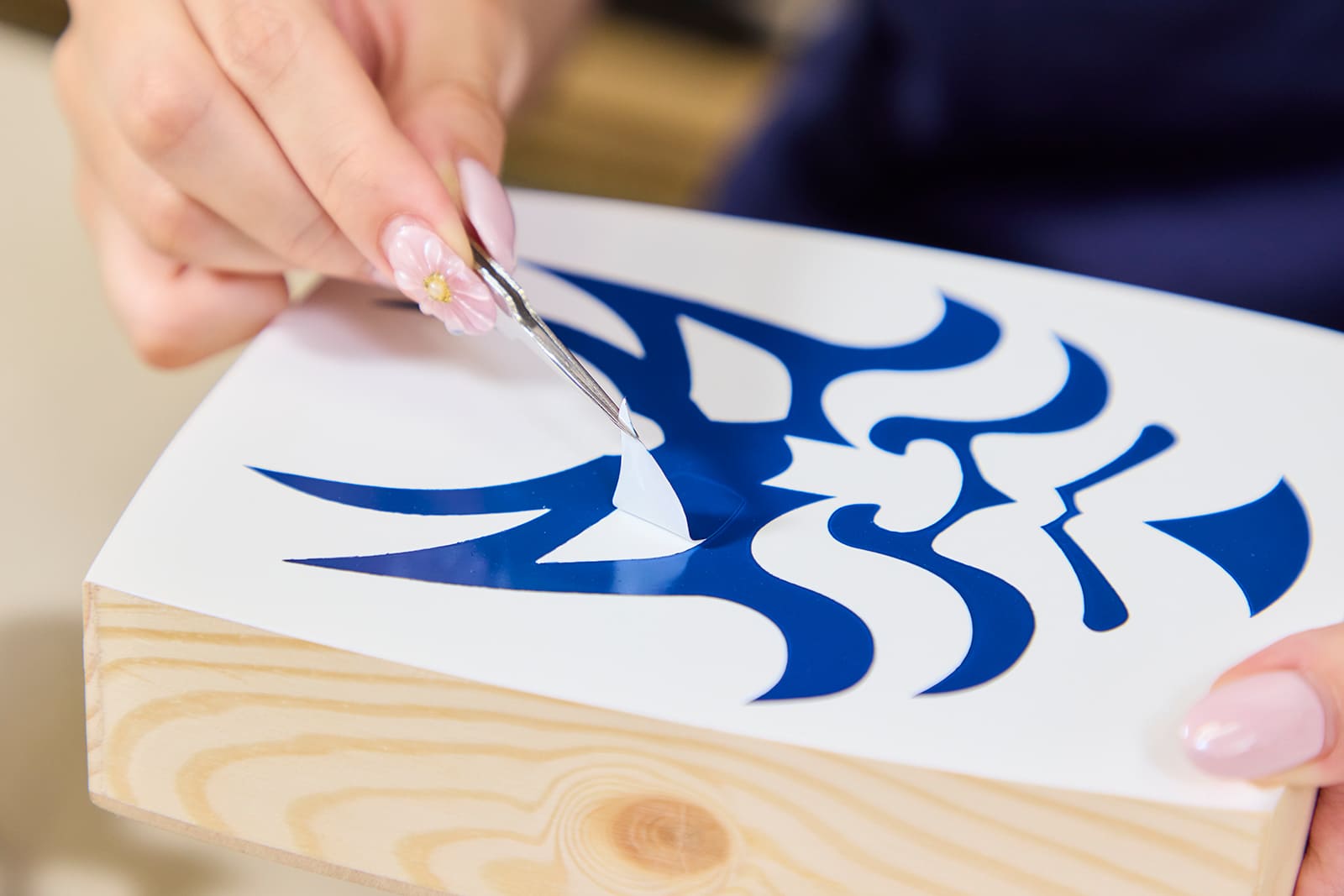
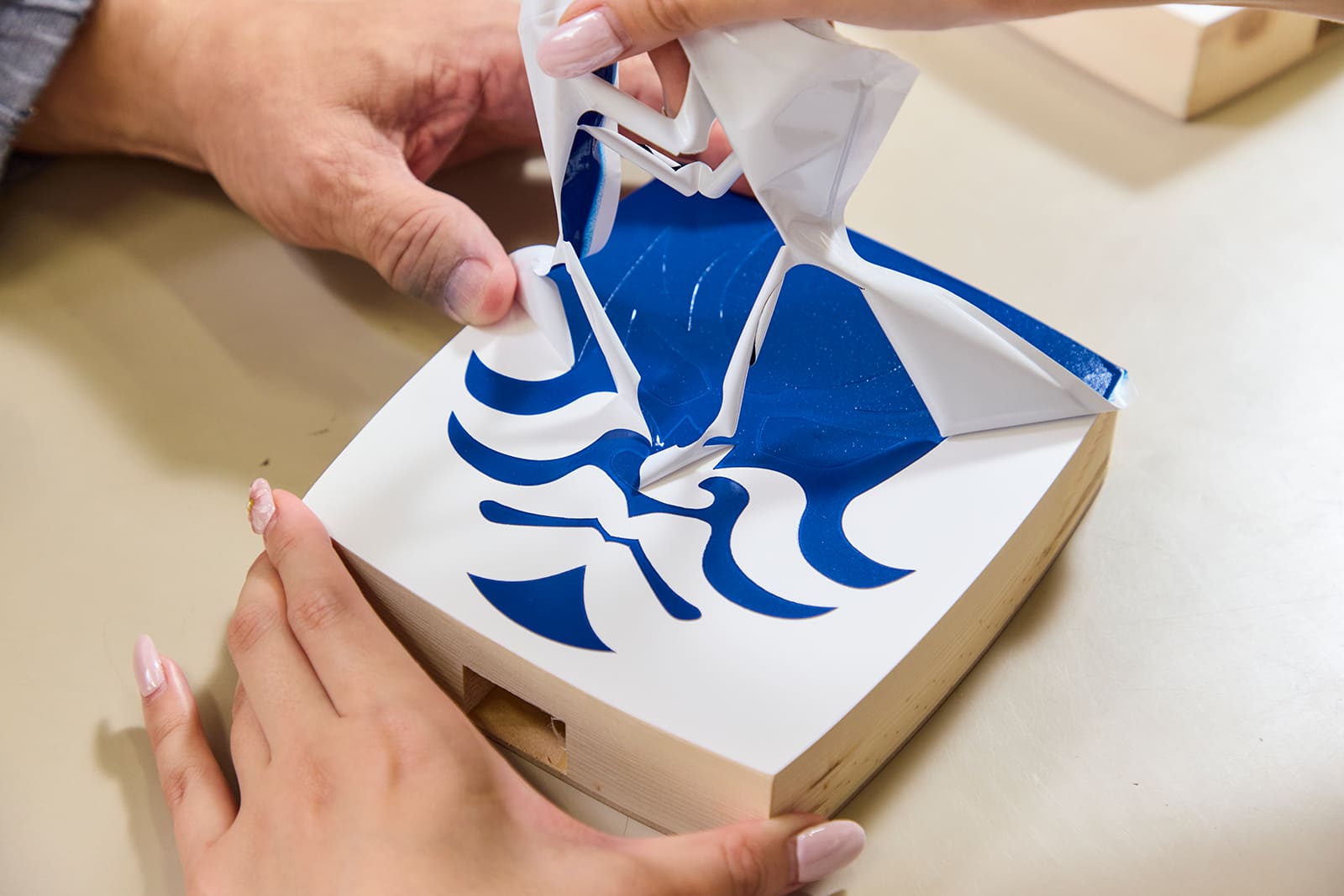
Select your favorite pattern, then apply the three-layer stencil sticker to the body. The key here is to align it carefully in the center, which will ensure a beautiful finish. Once applied to the body, slowly peel off the top layer to prepare for the color transfer. Masking the sides thoroughly, then decide on the color you want to use. Choose your preferred color from the provided sprays and apply it over the stencil. To avoid uneven coloring caused by concentrating the spray in one spot, try to apply it little by little, as if you are lightly sweeping the spray away.
Crafting "Chinton" with exquisite Japanese artisanal skills
Once the paint has dried, it’s finally time to check the pattern. As you gently peel off the sticker from one edge, the pattern transferred onto the body gradually emerges. Depending on the design, there may be a step where you need to use tweezers to remove fine pieces of the sticker. — it is a tense moment.
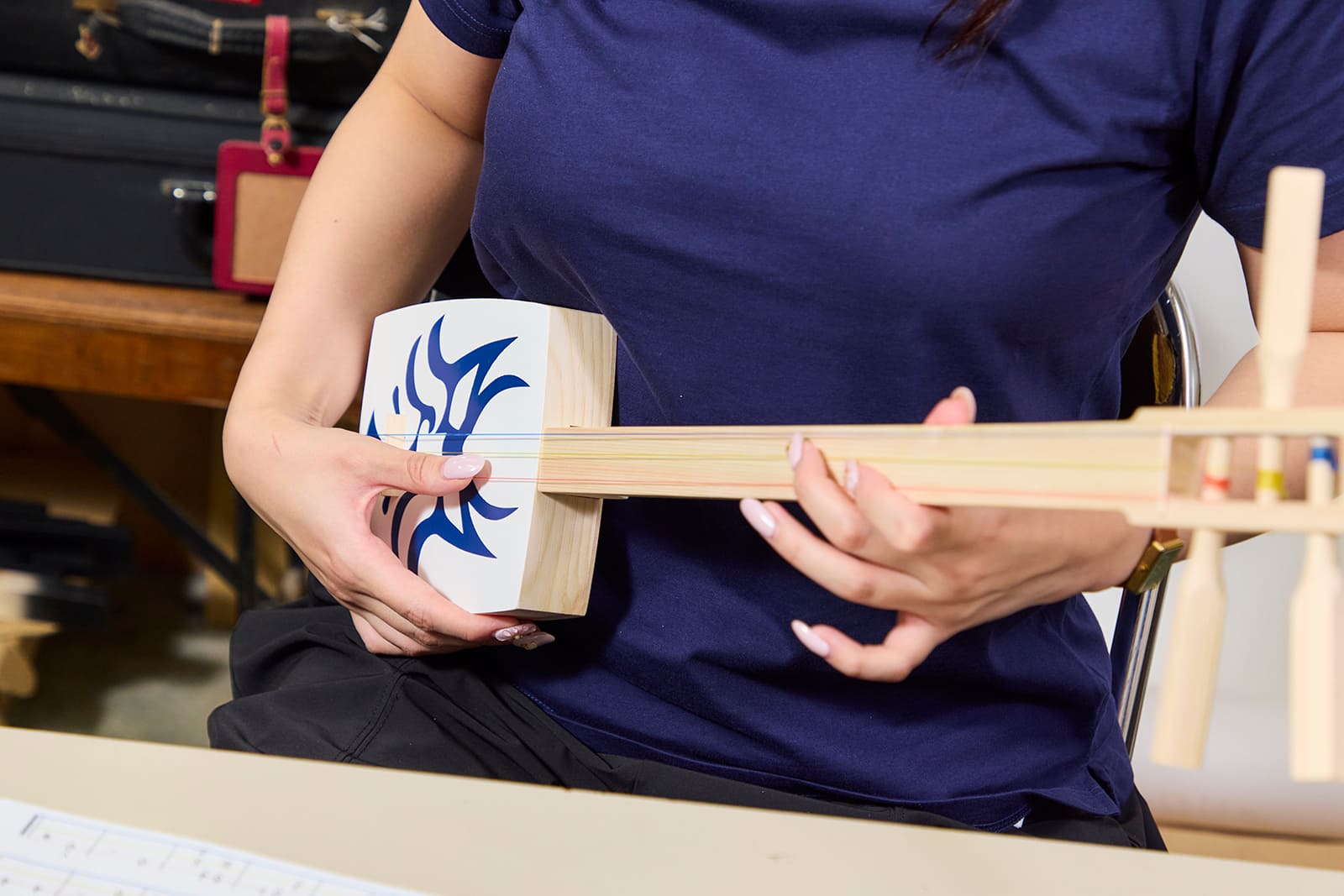
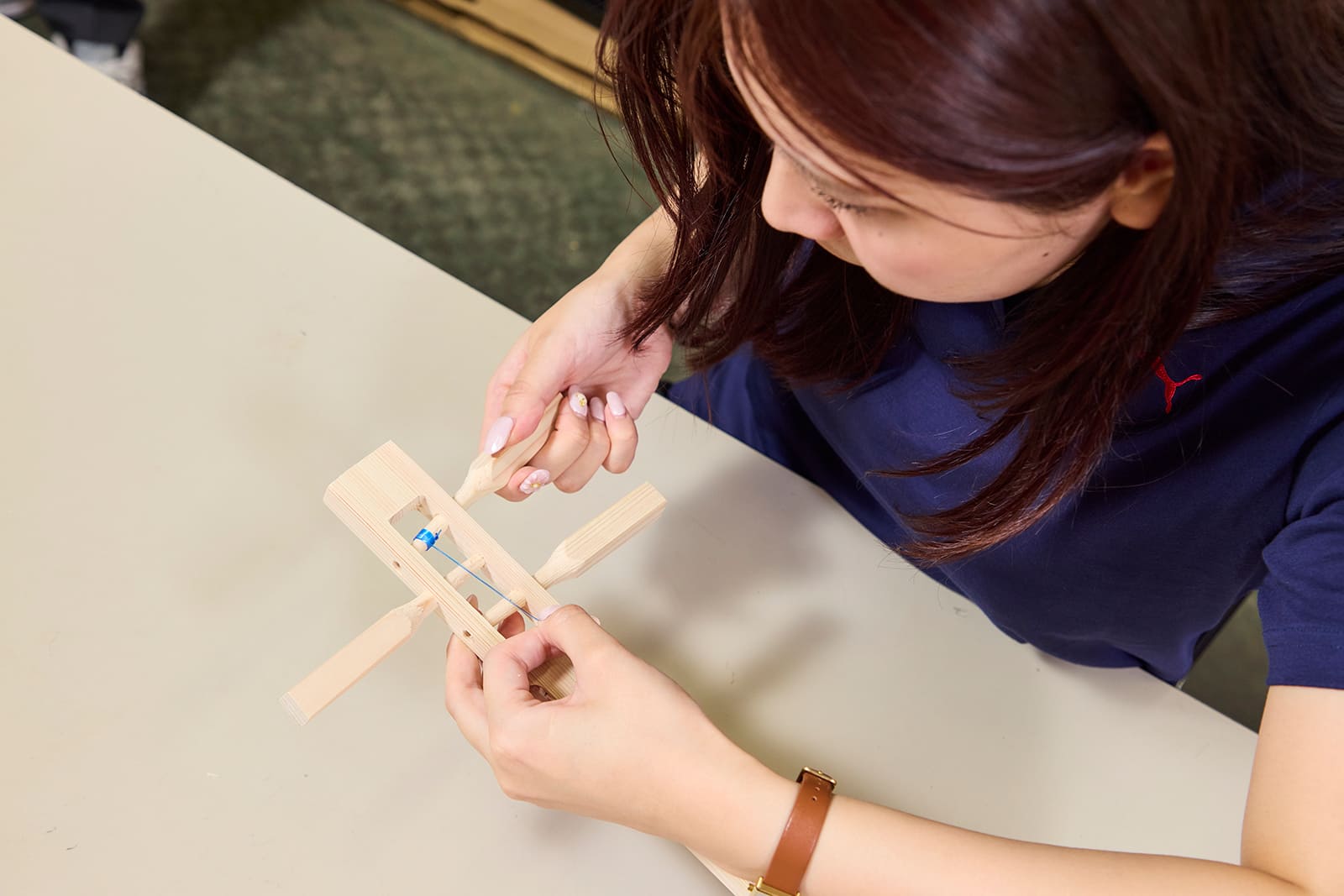
The body is complete, fits it onto the neck, called Sao, and the strings are threaded. The three strings are color-coded in red, blue, and yellow, and the sound changes depending on the tension of each string. After adjusting them with your instructor, place the bridge, called Koma, into the instrument, and your Chinton is complete.
From crafting and playing to getting hands-on with an authentic Shamisen—this is what this program is all about.
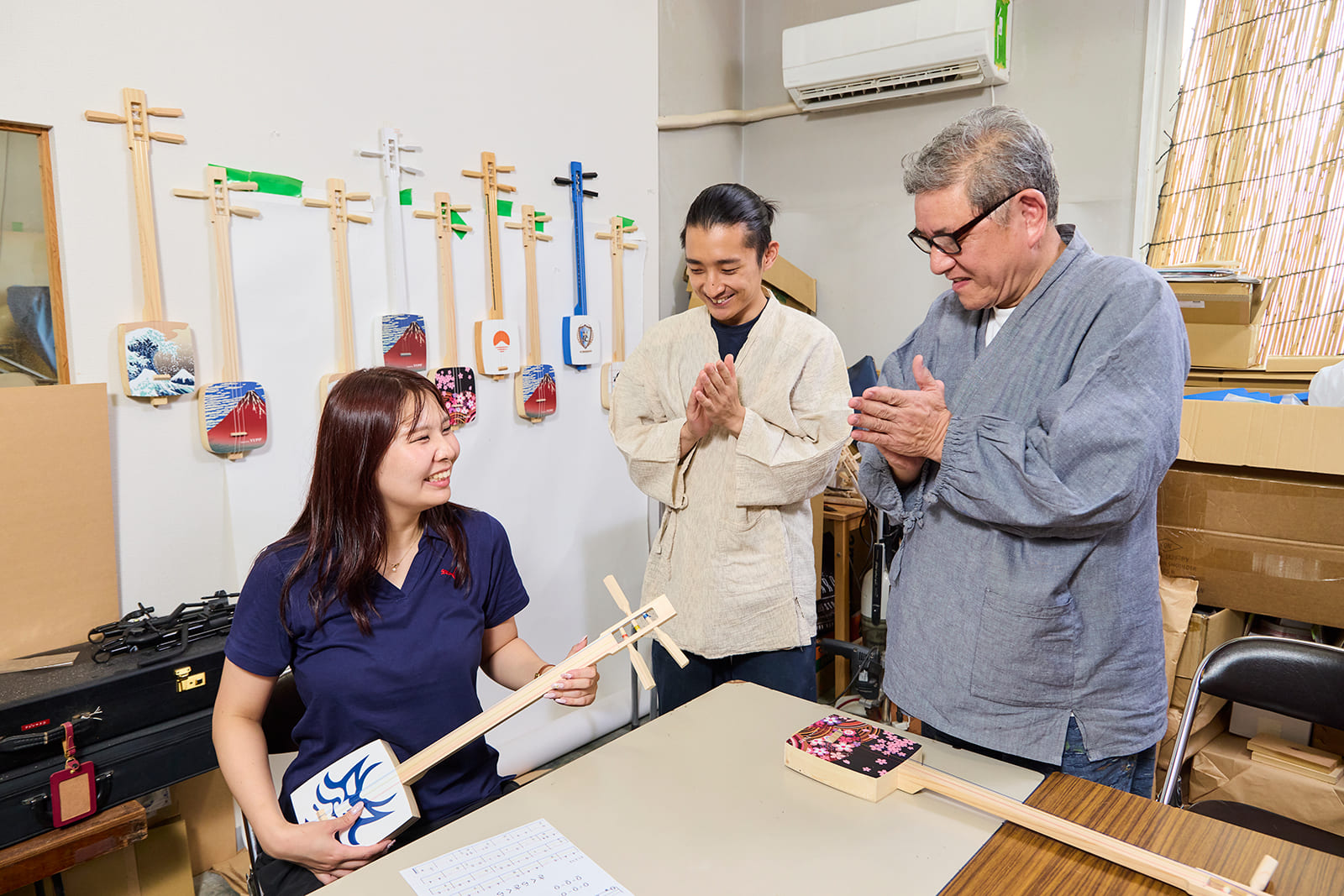
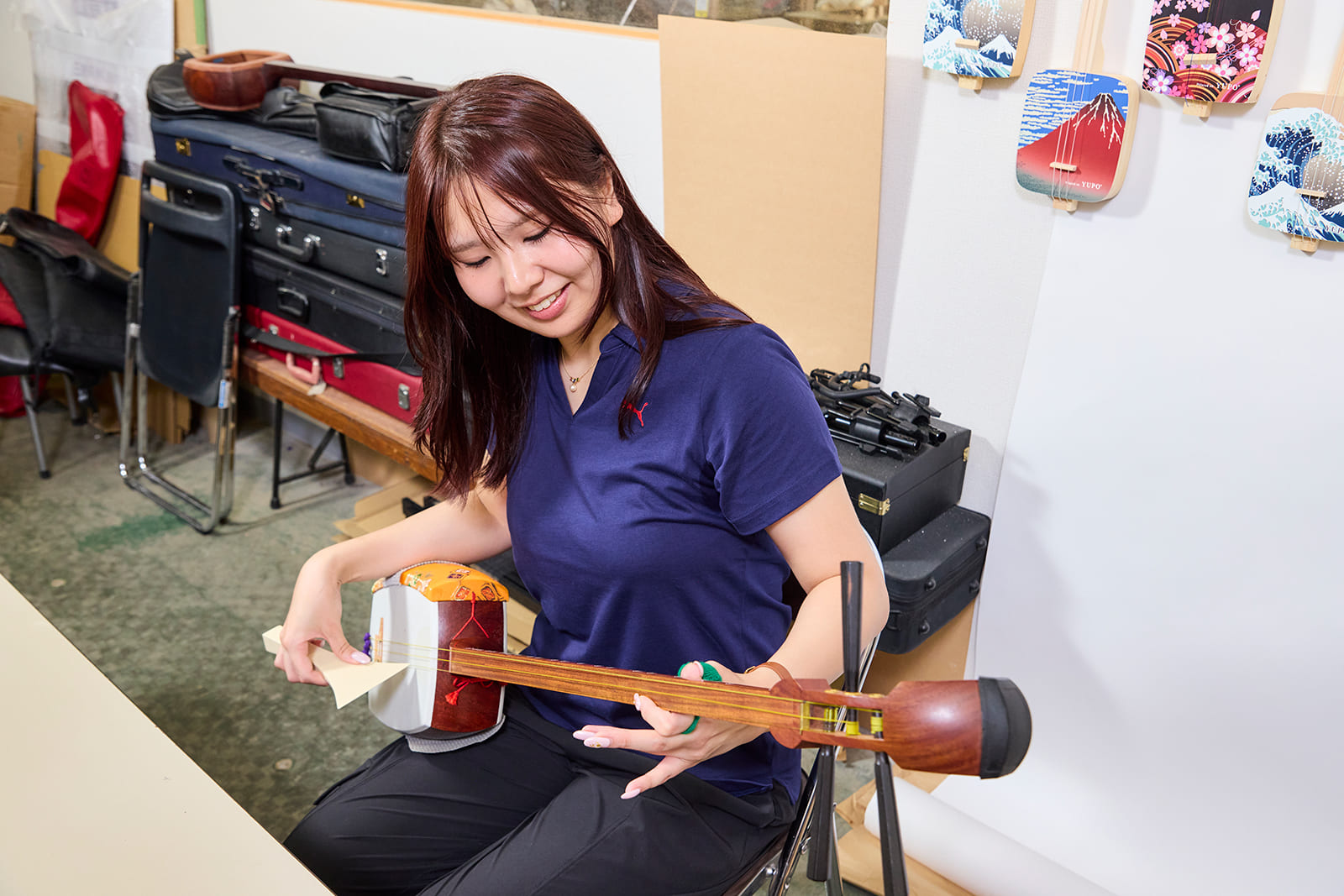
Just after your Chinton is complete, it’s time to play “Sakura Sakura” while following the sheet music. The strings and the sheet music are color-coded to match, making it easy even for first-time players to follow along as the instructor guides you step by step.
When you’ve practiced and can play your Chinton, you’ll have a great chance to get hands-on with a real Shamisen in the workshop. As you hold the larger, more substantial Shamisen, you may even find yourself naturally straightening your posture. Take your Chinton back home in an original bag bearing the Sangenshi Kikuoka name, and chances are you maybe keep playing it for years to come.
Let the 'Chinton,' be your gateway to the world of its captivating sound.
As the number of people playing traditional Japanese instruments continues to decline, Sangenshi Kikuoka is undertaking a range of initiatives to promote the Shamisen. One such initiative is this Chinton—the very instrument you can make in this experience.
Starting out with a full-fledged Shamisen can feel intimidating, but Chinton offers an easy and approachable way to get started. By helping you discover the appeal of Japanese instruments, Chinton can serve as a bridge to the shamisen itself.
The experience at Sangenshi Kikuoka gives you the opportunity to get hands-on with both Chinton and an authentic Shamisen. Through this Shamisen experience—the one you can continue enjoying with even after you return home—you will discover the appeal of Japan’s traditional musical culture.
Sangenshi Kikuoka is a Shamisen workshop established in 1987. Unusually for a workshop in Japan, It directly imports materials from India, China, Taiwan, and Southeast Asia. The workshop creates completely made-to-order Shamisen tailored to the hands and body of each performer and also handles repairs. Sangenshi Kikuoka works daily to share the appeal of the Shamisen with people around the world.