Kumihimo braided cords, ever-changing with the times
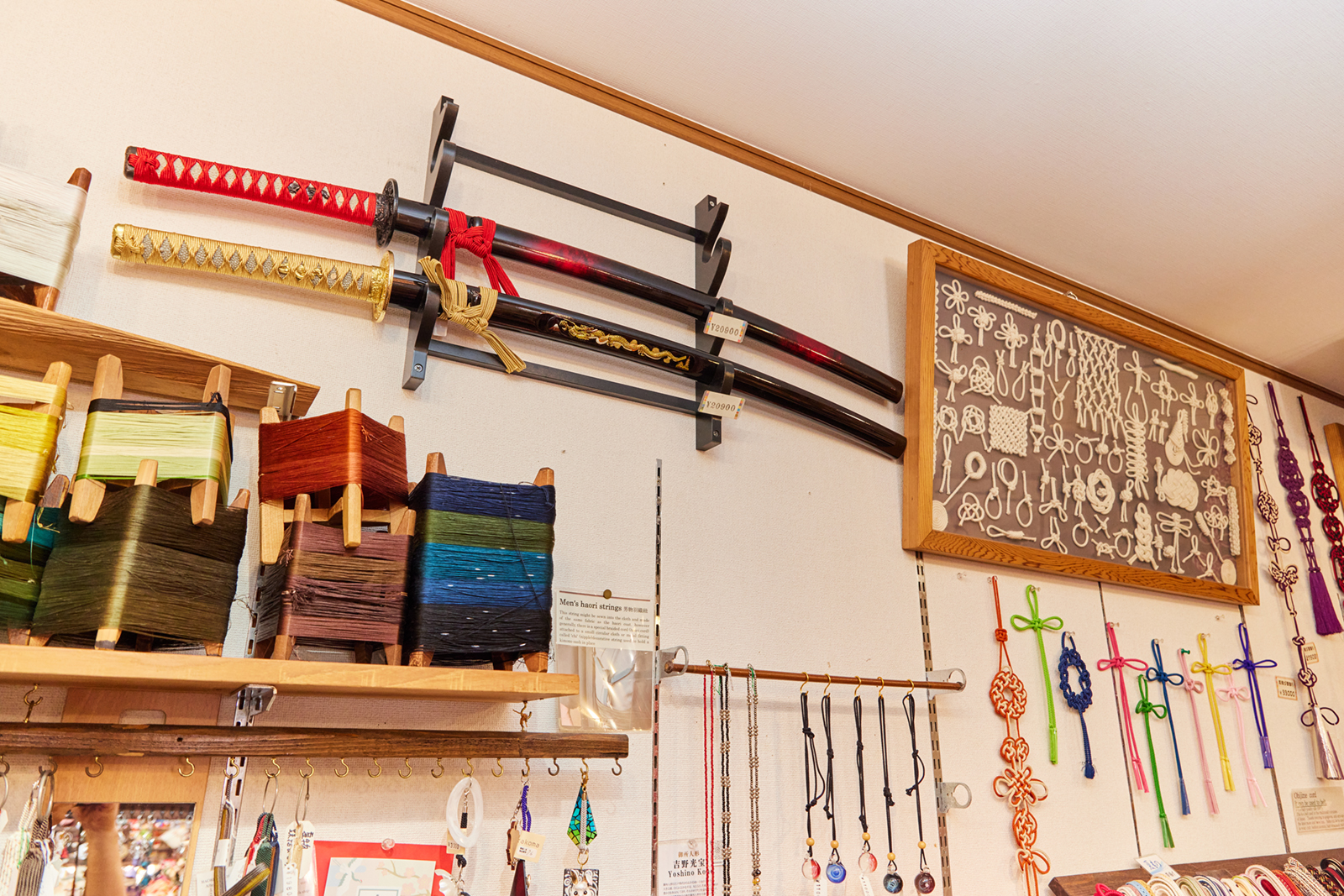
The origins of Kumihimo braided cords in the Edo period, date back to 1603, the establishment of the Tokugawa shogunate. Samurais who practiced Kumihimo braided cord crafting as what would now be called home-based part time work began to concentrate in Edo town, and the center of Kumihimo braided cord production shifted from Kyoto to Edo. At that time, Kumihimo braided cords were used as “Sageo” cords to tie samurai-armors and swords to the waist sash. However, with the end of the war and the beginning of the Meiji era, demand plummeted due to the ban on swords. Kumihimo braided cords later evolved into women's Obi-jime cords (decorative cords for a Kimono sash) and accessories, developing a new Kumihimo culture.
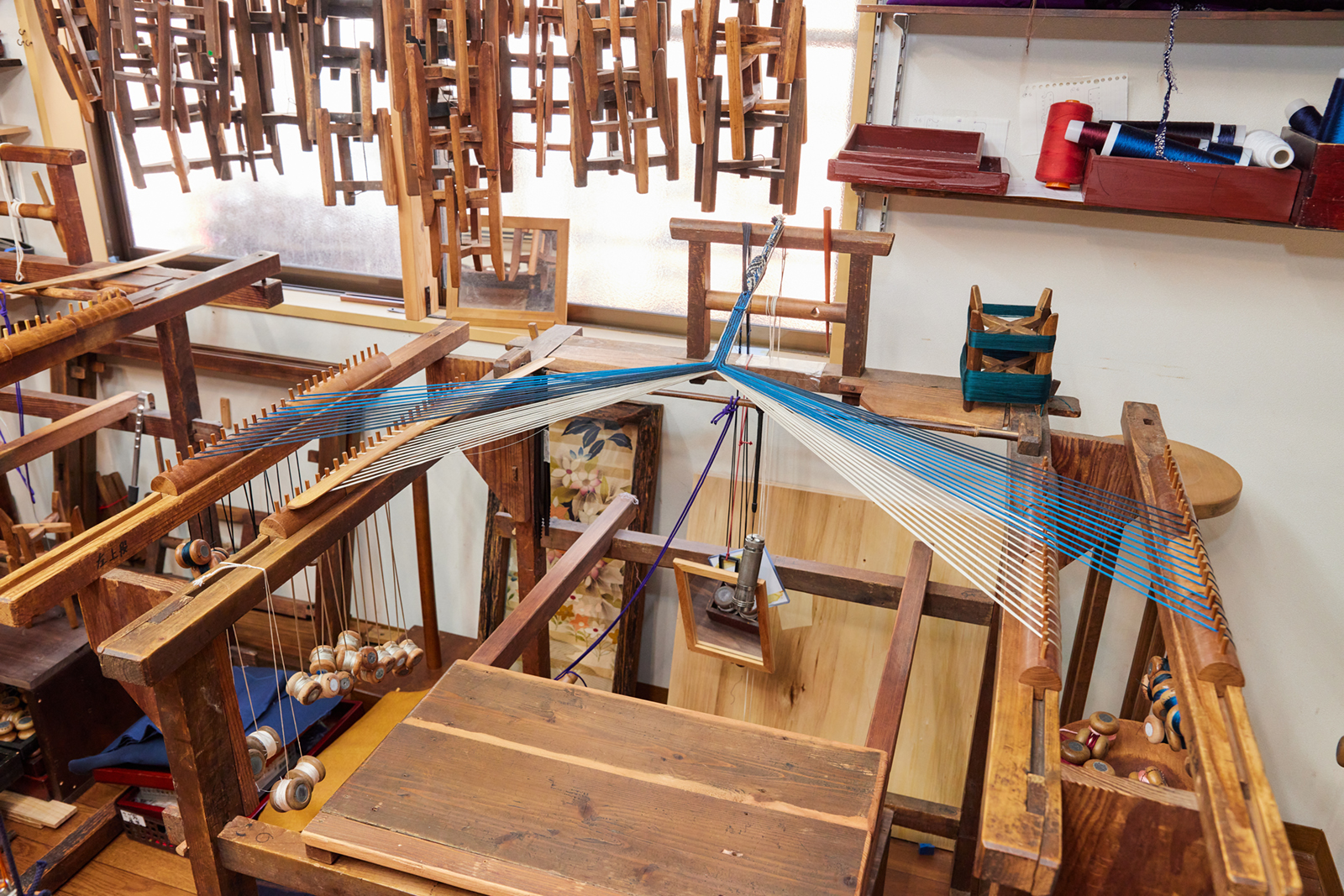
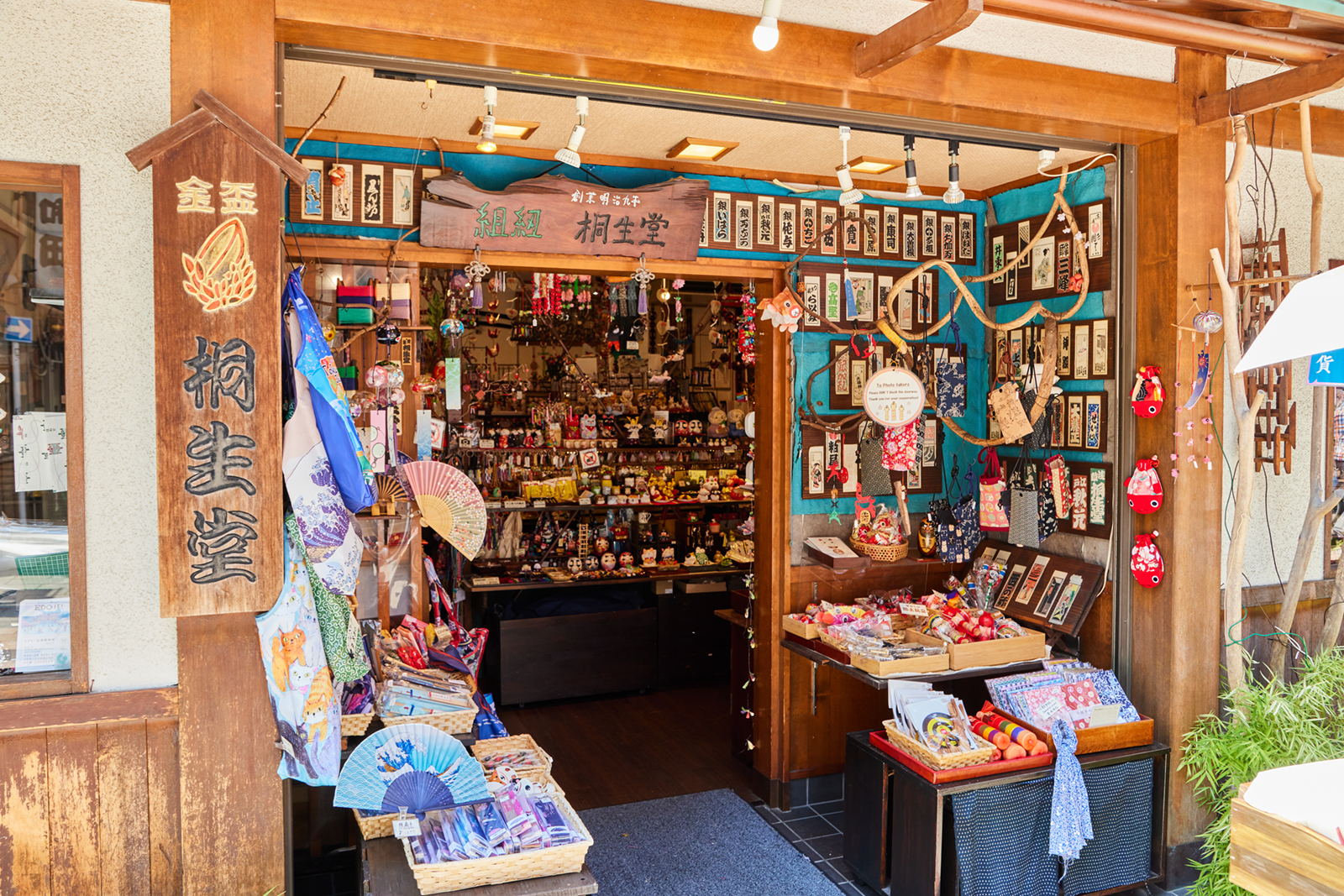
The birth of the Kiryudo company dates back to 1876, approximately 150 years ago, during the early Meiji era when the Kumihimo braided cord entered a new age. Kiryu City, Gunma Prefecture is a renowned source of raw silk used in Kumihimo braided cords, and the company’s story started when a Kumihimo braided cord artisan hailing from that area traveled to Tokyo and founded a business specializing in cords for Haori jackets and pocket watches. This artisan saw that the time had come for Kumihimo braided cords to be used as Obi-jime cords and recognized potential business opportunities in transactions with large and famous wholesalers and department stores nationwide.
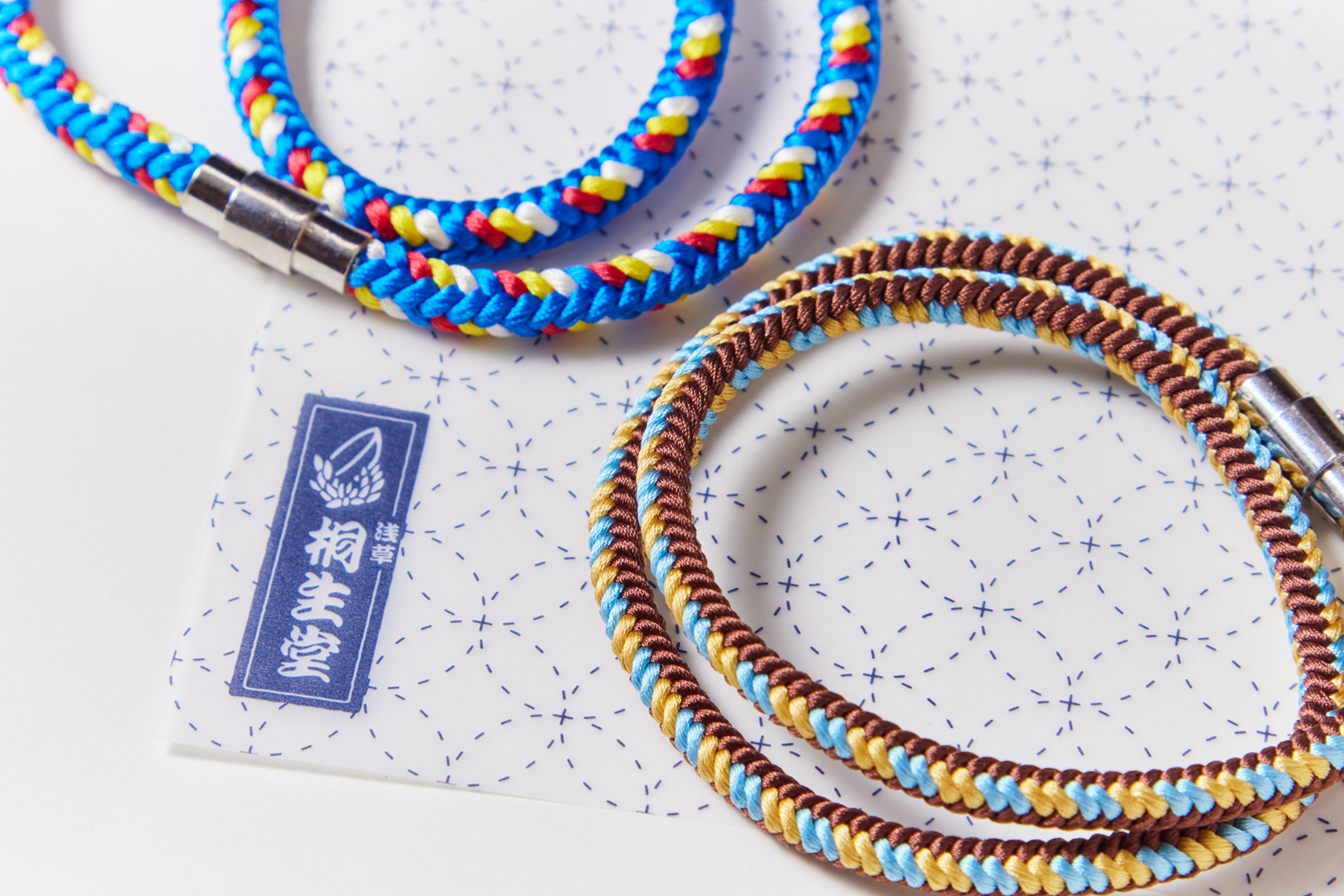
From traditional Japanese attire like Obi-jime cords and codes for Haori jackets, the company expanded into fashion accessories such as hairpins, bracelets, and straps that showcase the delicate design of Kumihimo braided cords. During the Heisei era, Kiryudo expanded to two direct-sales retail stores, striving to popularize Kumihimo braided cords while adapting to the changing times.
Every thread combination is unique. Experience making your own special Kumihimo braided bracelet.
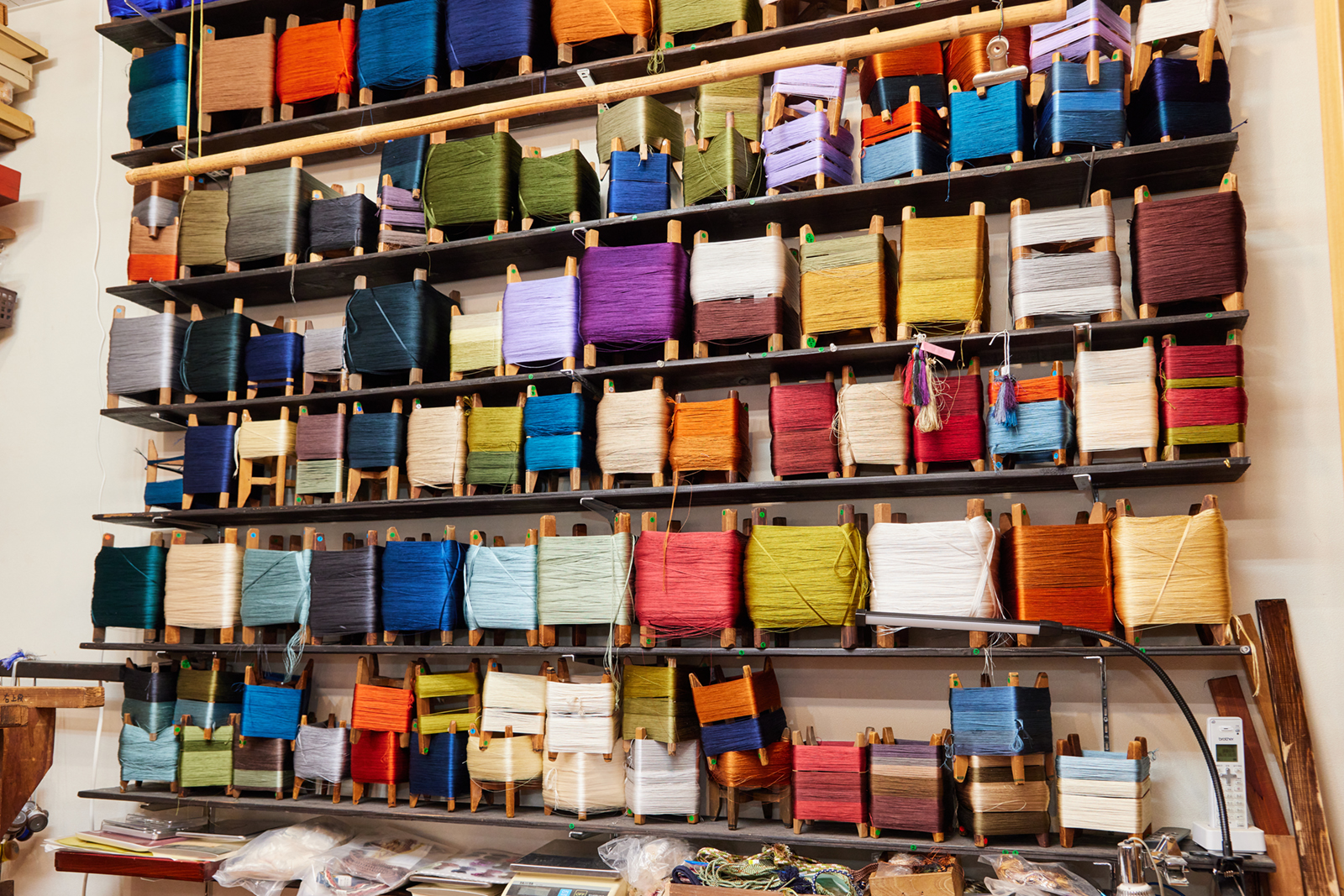
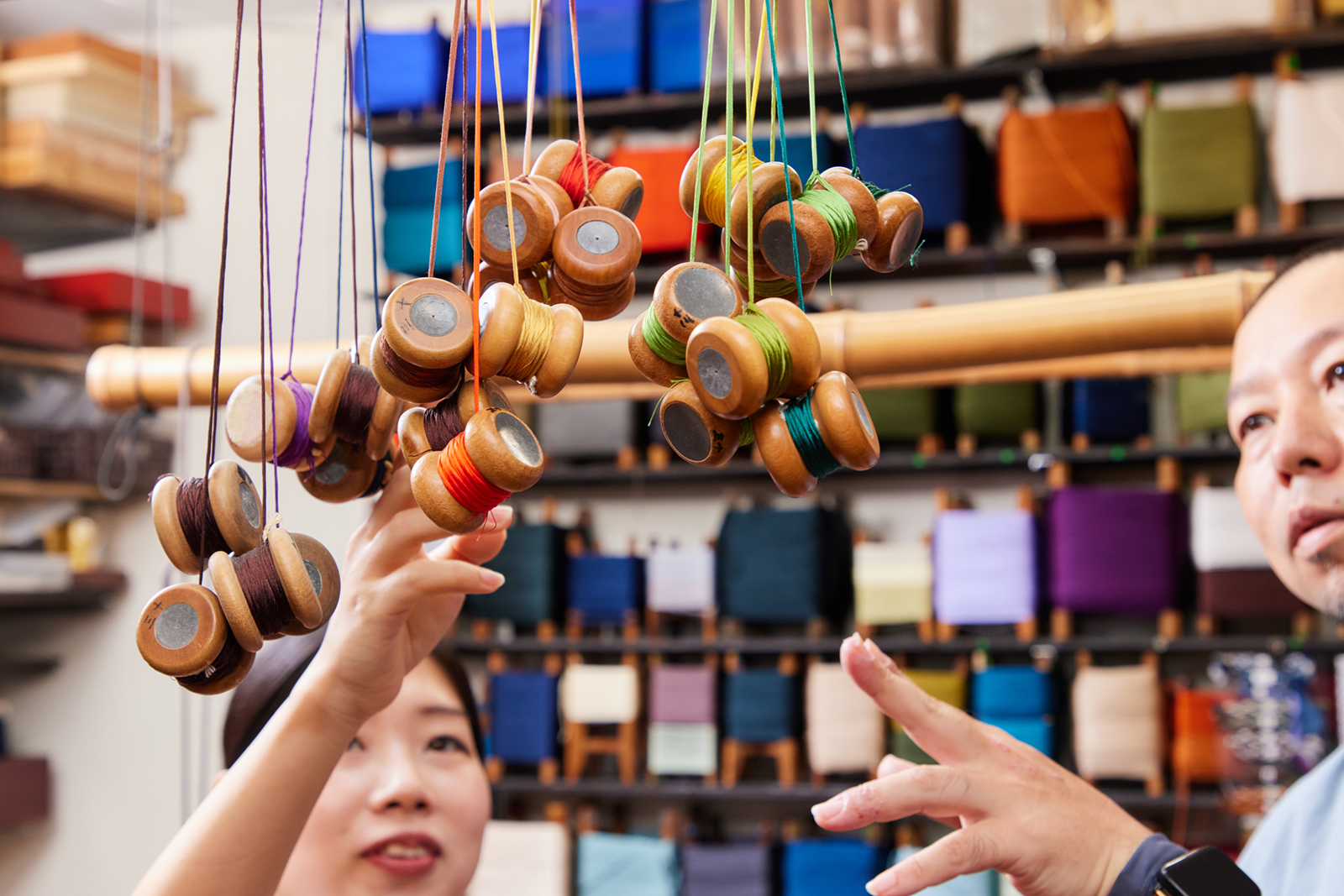
In this activity, you use eight rolls of thread to create a bracelet. First, choose the thread rolls that you combine. The rolls of silk thread have been prepared in advance by the artisan. Thread combinations come out different each time, so encountering any particular combination is a once-in-a-lifetime experience. From among the rolls of colorful thread, pick out a set that speaks to your heart.
The arrangement of the threads during assembly results in a completely unique design.
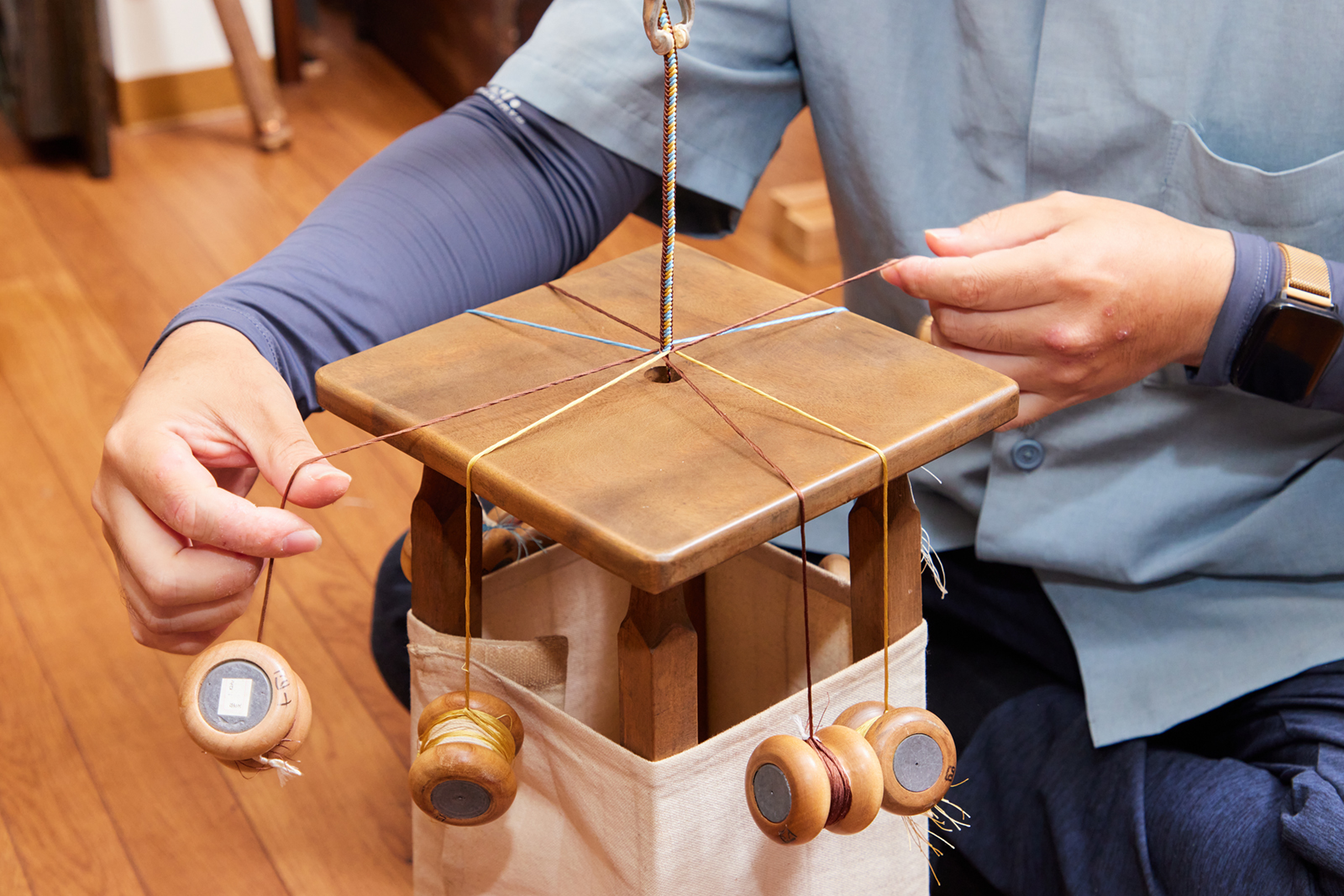
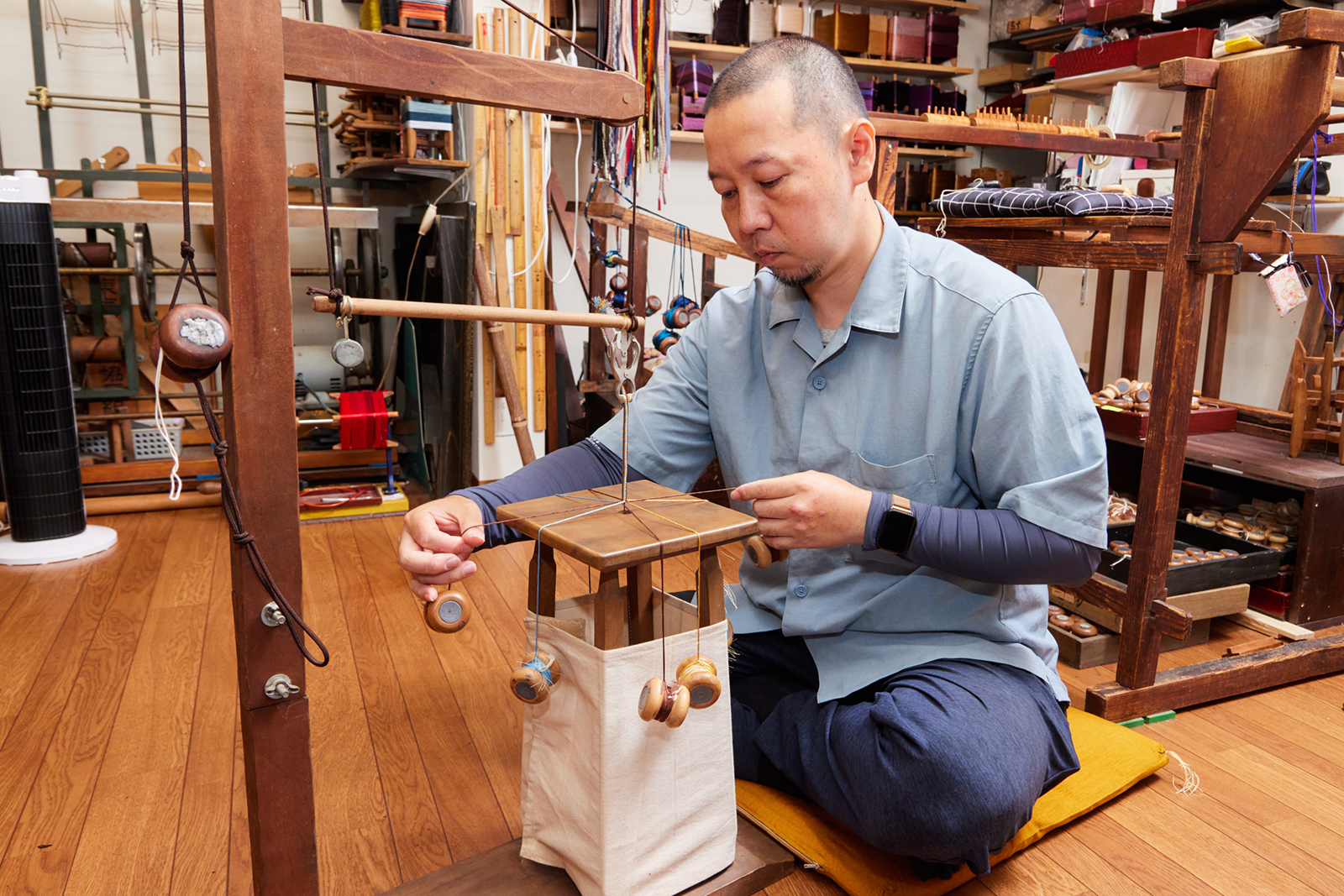
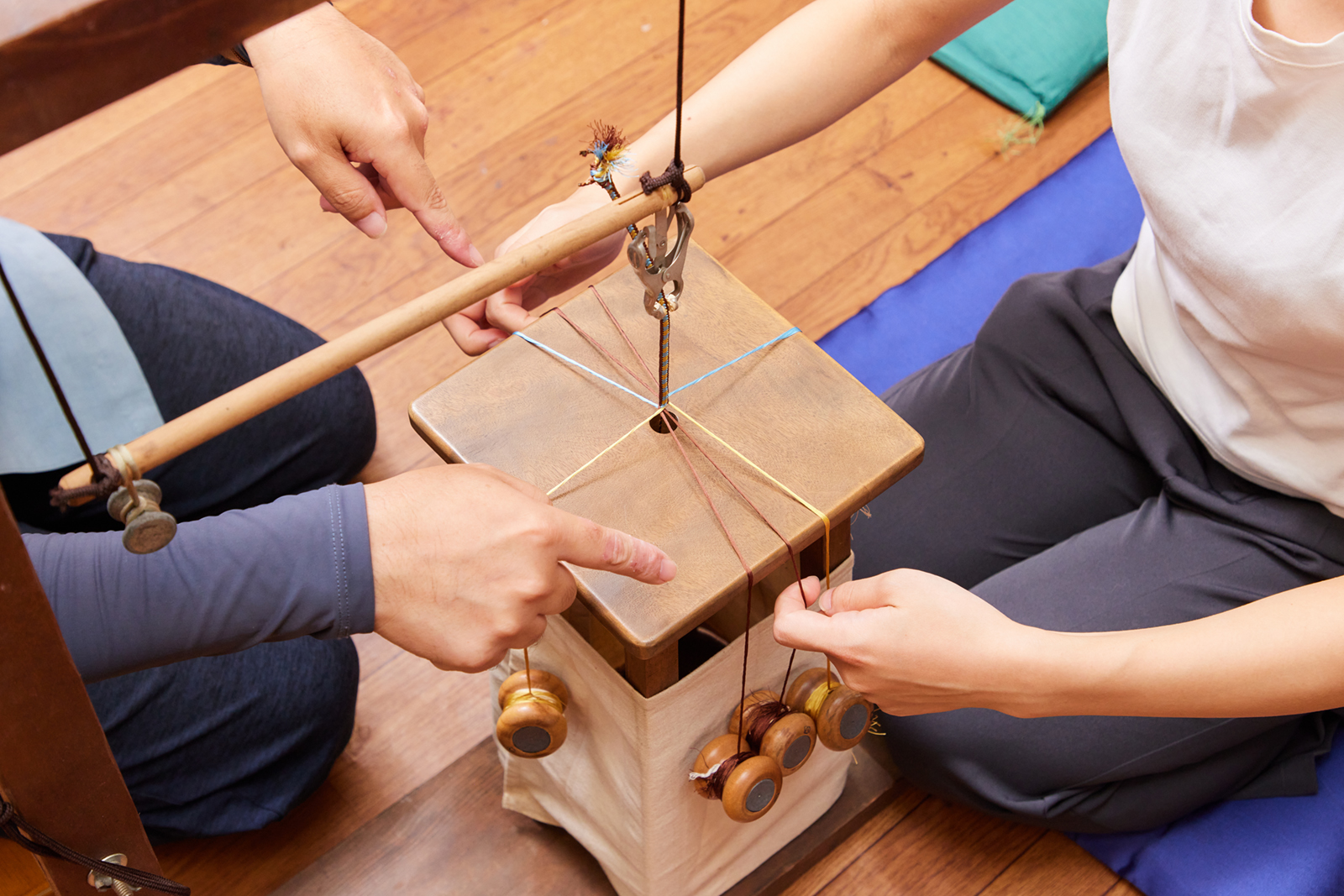
The stand used to set the rolls threads you selected is called a Kakudai. It is a braiding stand specifically used for making Kumihimo braided cords. This stand features a design where the braided cord extends upward, making it easy to check the finished product. Once you have arranged eight rolls of thread, two each in front, back, left, and right, begin Kumihimo braided cord crafting while referring to the artisan's sample.
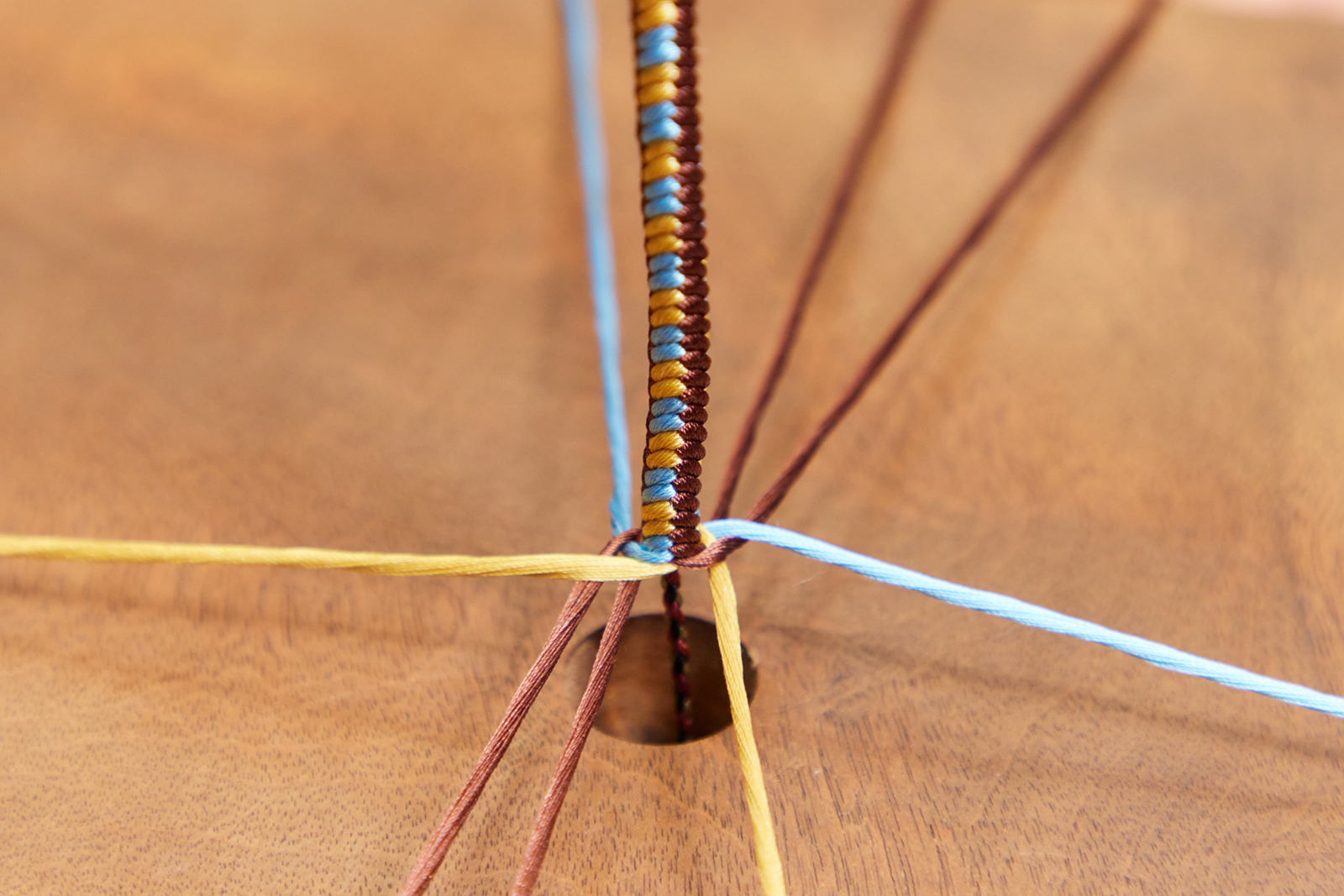
The evenly spaced twines are like a mirror reflecting the inner peace of your heart.
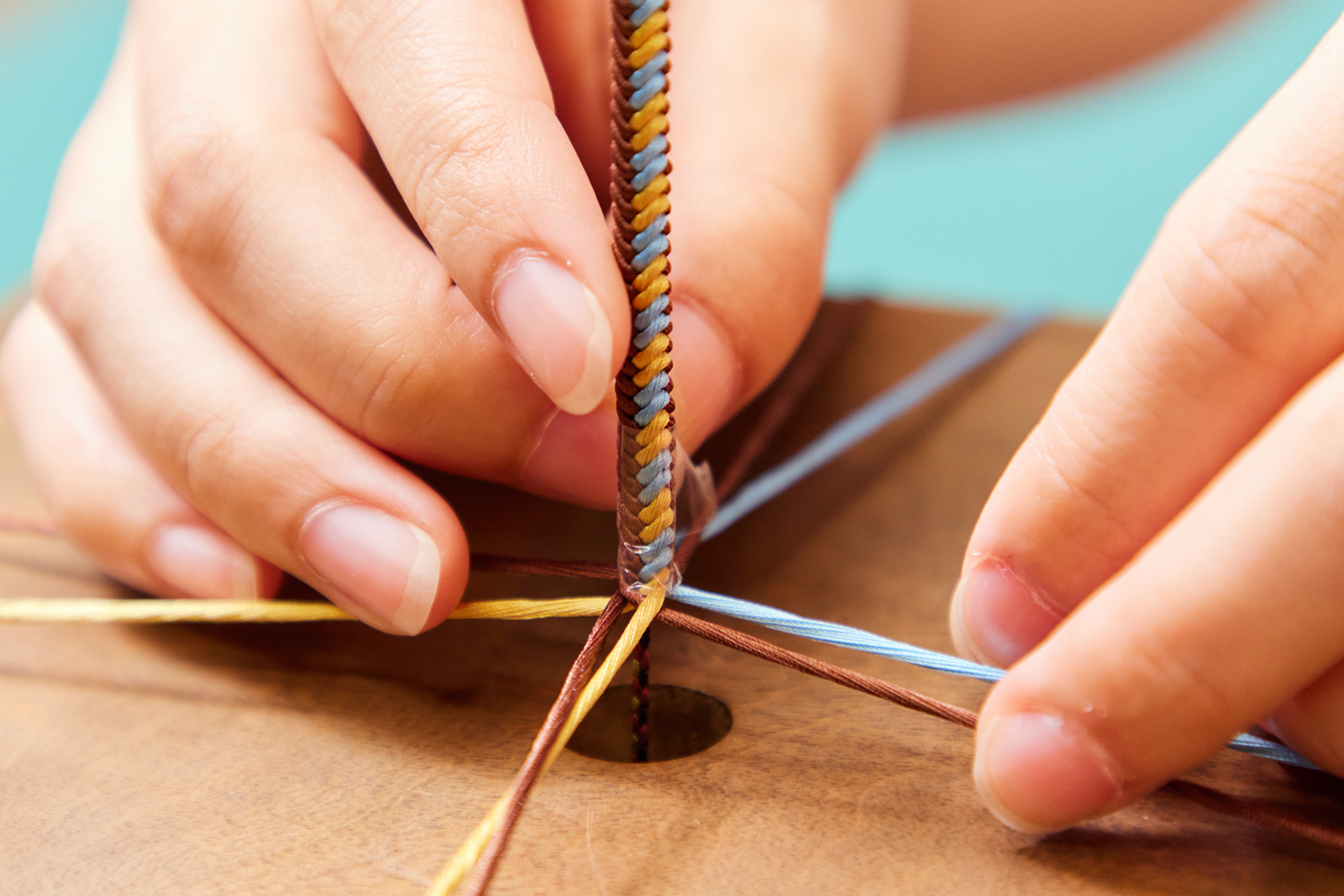
The weight at the end of each thread is referred to as a “ball.” Feel their gentle heaviness as you rhythmically move the threads diagonally. Move the rear thread to the left, and the front thread to the right. Each time two threads are moved symmetrically, the cord is slowly and gradually woven together. At first, it may be hard to get the hang of how to move the threads, so you might be cautious in your movements. But that self-doubt only lasts for a little bit. When you notice that all you are hearing is the gentle sound of the balls clacking, you will be moving your hands without conscious thought.
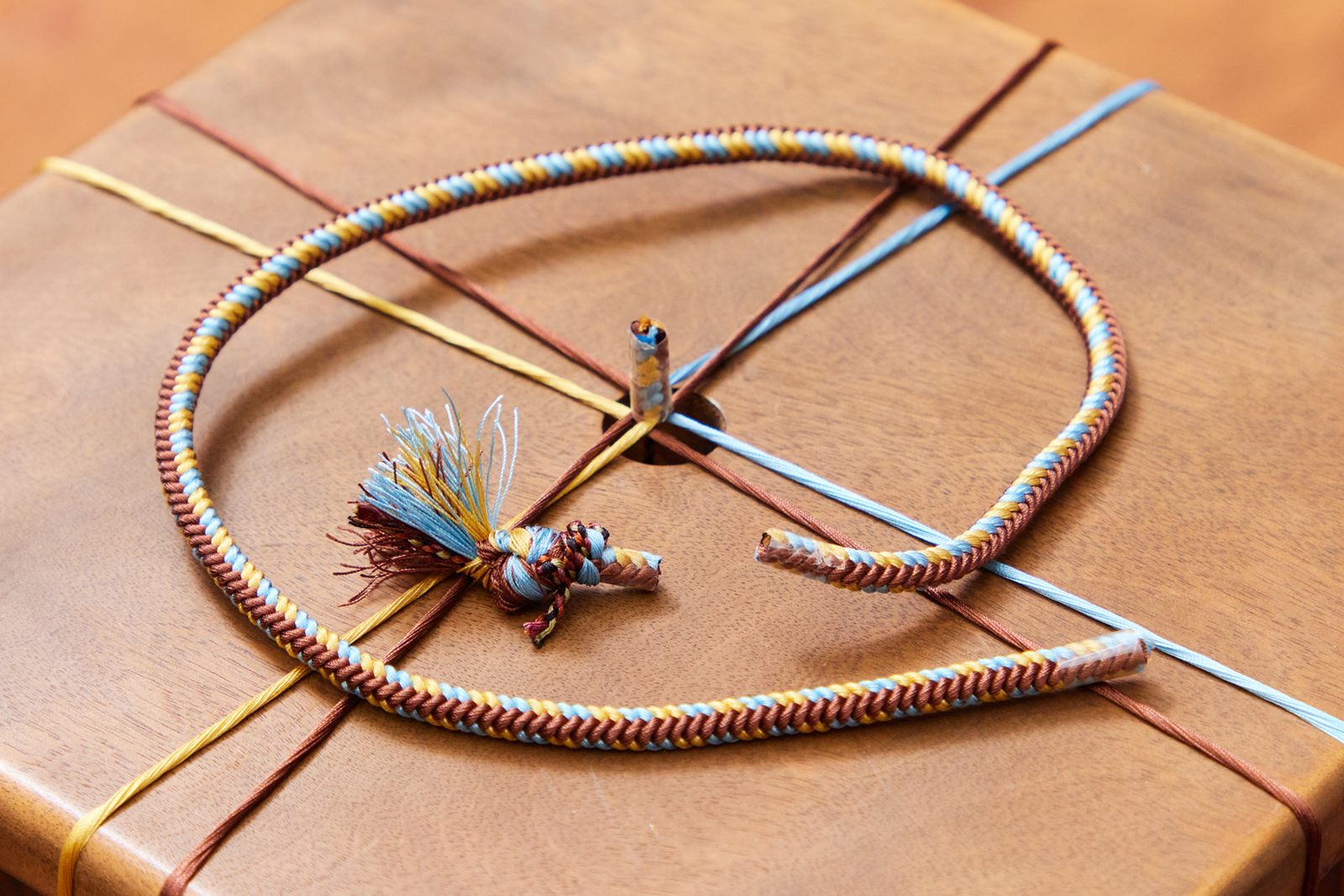
If you continue moving the threads, by the time the threads tied to the balls become short, you will have completed a Kumihimo braided cord long enough to wrap around your wrist twice. Finally, once the artisan trims both ends of the cord and attaches the clasps, your very own unique Kumihimo braided cord bracelet is complete. Even when you focus solely on the thread before your eyes as you braid your cord, mistakes in the braiding or uneven knots sometimes occur. Even if your cord is not completely perfect, you can enjoy looking back on your memories of Asakusa as you gaze upon this artwork you created yourself, recalling how you focused solely on the string.
Find out the chicness of Tokyo locals, which is all about enjoying stylishness in everyday life
A subtle stylishness within a calm aesthetic. “I hope you can sense the delicate attention to detail that shimmers within the subdued color palette,” says Mr. Yuji Haneda, the sixth-generation head of Kiryudo, his eyes were lightening up. The spirit of Tokyo locals seeking stylishness in daily life is embodied in the very essence of the Kumihimo braided cords. When you slip this bracelet onto your wrist, let your thoughts wander to the sense of stylishness held dear by Edo locals.
Founded in 1876 when a Kumihimo braided cord artisan from raw silk production region known as Kiryu City, Gunma Prefecture moved to Tokyo and launched his own company. Starting as a specialist in pocket watch cords, the company expanded its business to include Obi-jime cords and haori jacket cords. The Edo Kumihimo braided cord tradition, passed down through six generations, is favored by many enthusiasts, including being a mainstay for the Haori jacket cords of Edo Rakugo storytellers. In recent years, the company has established two directly managed stores in the Kannon-dori Metro Shopping Street, releasing a diverse range of products including straps, hair accessories, and bracelets.