Introduction of Acceptance ExamplesIntroduction of Acceptance Examples

Introducing companies that accept specified skilled foreign workers and the voices of specified skilled foreign workers who are active in these companies.

CASE18Food Service Industry FieldHanamaru Inc.

Teaching sushi chefs techniques and customer service from scratch

Corporate Information
  • Business: Management of sushi restaurants and conveyor belt sushi restaurants
  • Number of employees: 893
  • Number of foreign specified skilled workers accepted: 4 (3 from Korea and 1 from Taiwan)

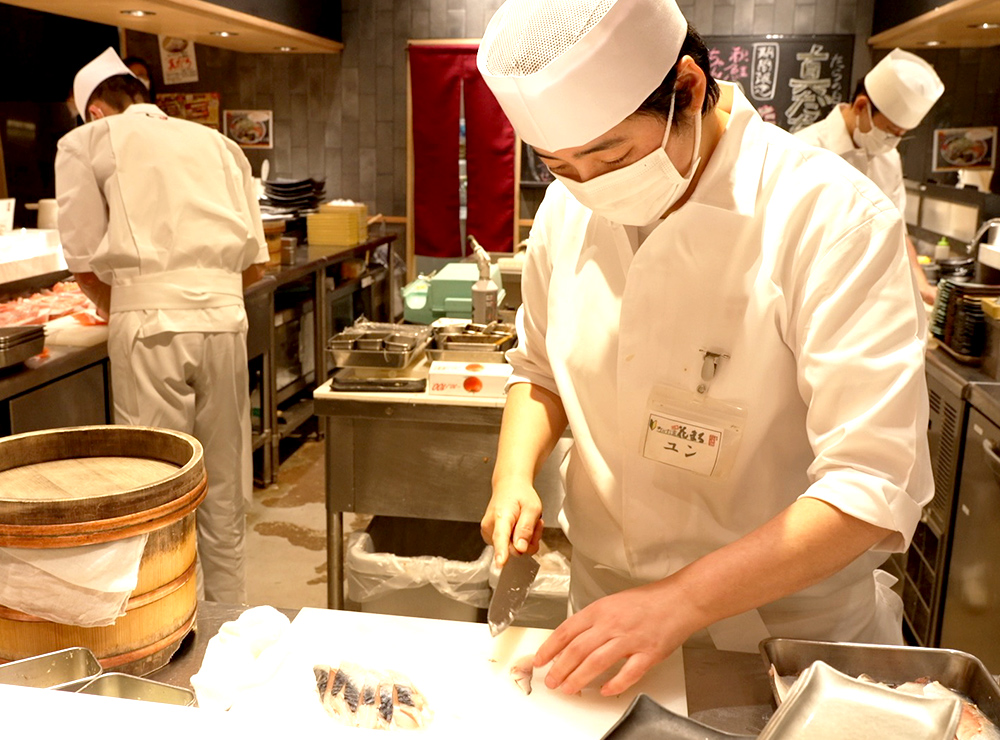
Working in a restaurant, preparing fish and making sushi

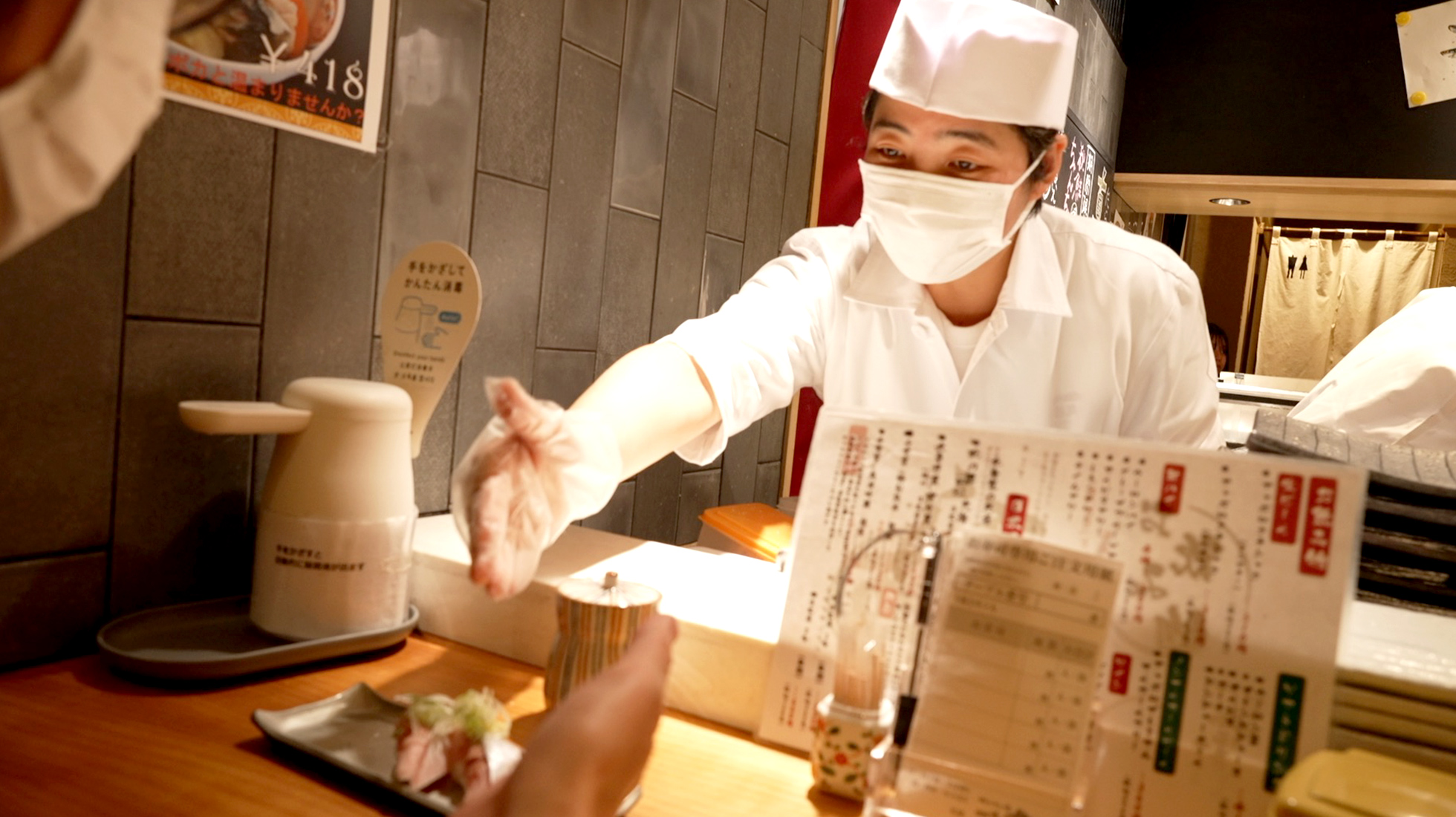
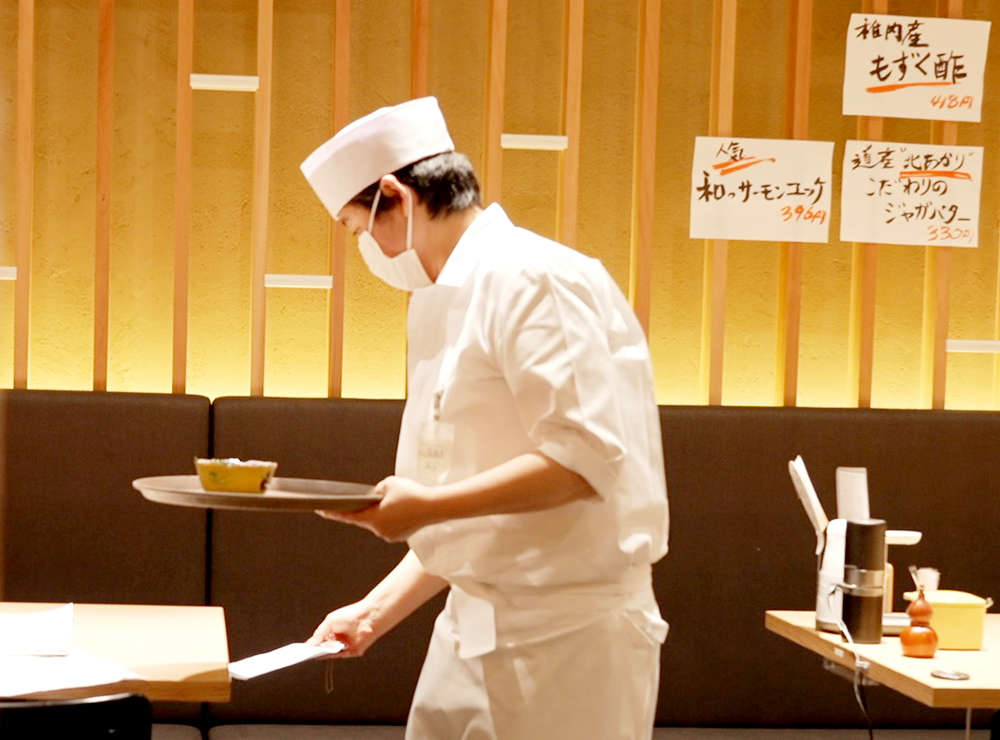
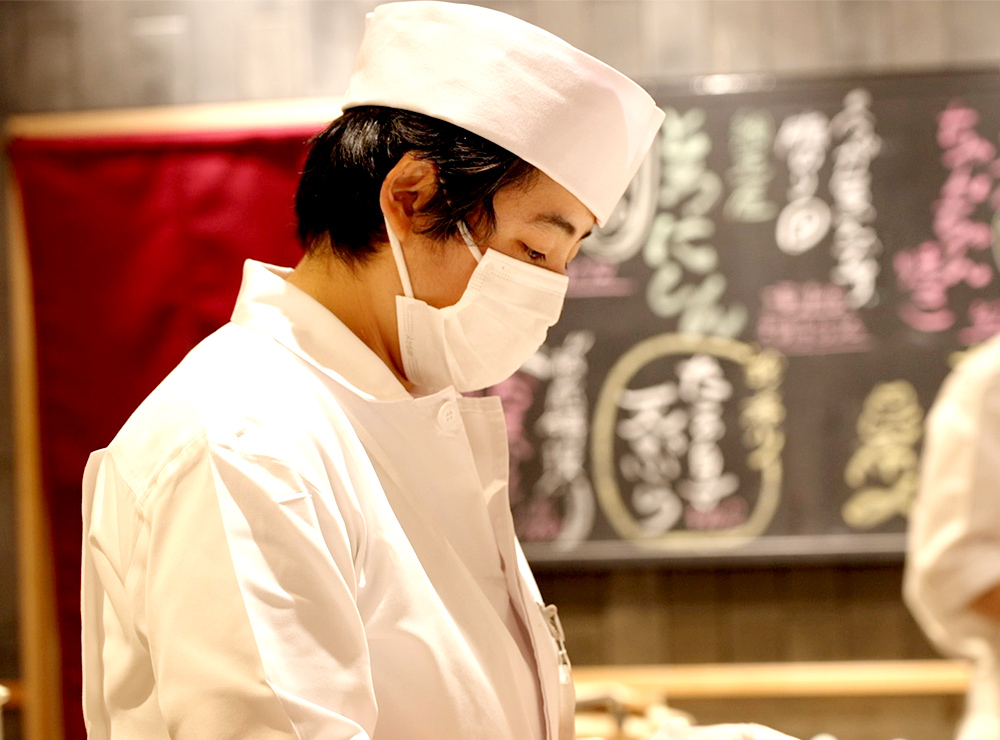
In order to solve the shortage of personnel due to business expansion with our increasing number of restaurants, we started to recruit foreign specified skilled workers to work in the restaurant industry. We entrust foreign specified skilled workers with the same tasks as Japanese chefs and staff at each restaurant, such as preparing fish, making sushi, and serving customers.

Foreign specified skilled workers are a valuable force for us because they are quick to absorb their work and are positive about working in Japan. Inbound tourism, which has decreased due to the COVID-19 pandemic, is starting to recover. In the future, we would like foreign specified skilled workers to be involved in customer service for foreign tourists and in recruitment of new foreign workers (including new foreign specified skilled workers) to further promote our company. We also hope that foreign specified skilled workers will aim for higher positions, such as store managers or regional managers, just like Japanese employees.

Restaurant tours for preventing job mismatch

The recruitment process and post-employment education and training for foreign specified skilled workers are exactly the same as those for Japanese workers. One of the features of our recruitment selection process is the restaurant tour, which is held between the second and final selections. In the restaurant tour, the applicant and a representative go to a restaurant to eat sushi together and see the employees during a normal day of work. Since foreigners can have a clearer image of working at our company by participating in these tours, we are able to hire workers that feel they are the right fit for the job.

After joining the company, we teach all the skills and knowledge necessary to work in a restaurant through the in-house training system "Hanasaki College." In the first year, new employees meet twice a week at the headquarters to learn in depth about our corporate philosophy, serving customers, making sushi, maintaining kitchen knives, and more. Moreover, senior employees provide one-on-one guidance for one year as mentors, and especially for foreigner specified skilled workers, instructions are provided while taking care of details such as Japanese working manners, proper behavior, and attitude.

Difficulties from the awareness gap in hiring foreign workers

When we started accepting foreigners, we struggled with visa applications. Compared to other visas, more application documents were required for specified skilled workers, and the preparation of those documents was a burden on both the foreigners and us. Currently, we have contracts with administrative scriveners who specialize in visas for specified skilled workers, and the process is much easier. In addition, some of the foreign workers we interacted with during recruitment thought that specified skilled workers were almost the same as technical intern trainees, in terms of work style. We sometimes felt that there was a gap with our expectation for them to "acquire advanced skills and eventually become managers." However, after joining the company, they changed their mindset, and now they are working toward higher positions.

Some companies may be hesitant about hiring foreigners, but if you take the time to teach them, they equally capable of understanding their work and actively contributing to business. In addition, many customers have given compliments to our foreign workers about the quality of the food and that they plan to come back, even more warmly than to our Japanese staff. We hope you will consider this positive opportunity as we have.

Interview with a specified skilled worker

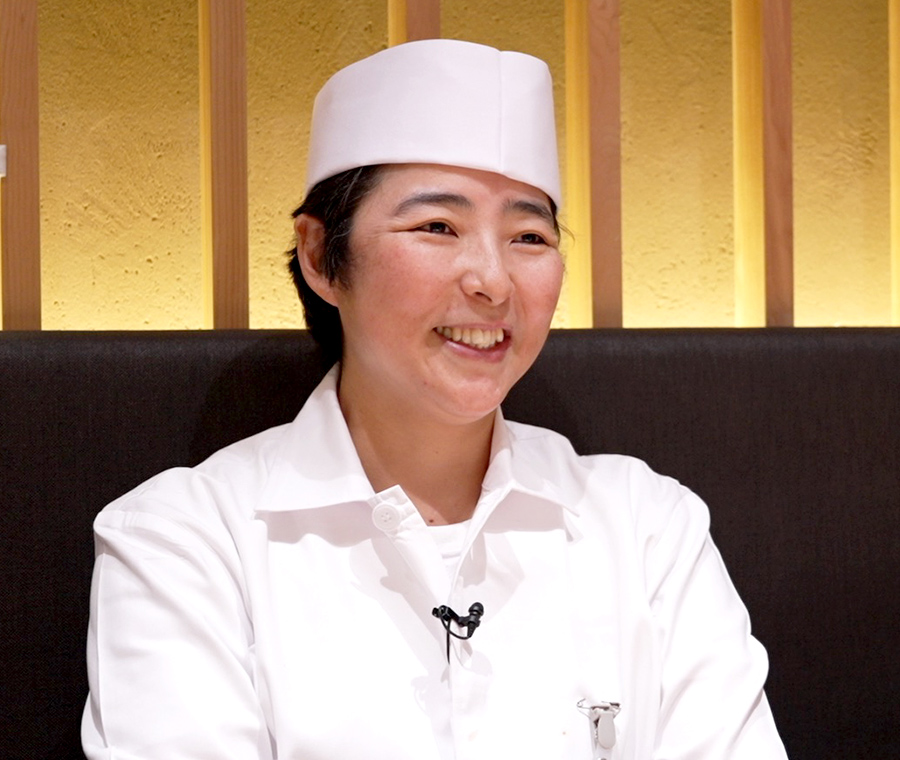
It's rewarding to see happy customers enjoying the dishes I recommend

Yoon Gayoung

I've been entrusted with making gunkan-maki sushi and sushi rolls where I work, and sometimes I close the cash register and report sales. I love being able to recommend delicious dishes for each season to the customers. Seeing them happy is incredibly rewarding. I've worked in the restaurant industry in Korea, and I wanted to make the most of my experience while working here in Japan. I really sympathized with Hanamaru’s corporate philosophy of valuing customers. One of the charms of Hanamaru is that it teaches us skills and knowledge about sushi from the basics.

My dream came true thanks to the System for Foreign Human Resources with Specified Skills

Liao Yishiou [* Prospective employee (as of December 2022)]

When I came to Japan on a trip, I was impressed by the hospitality of the Japanese service industry, and I wanted to work in Japan someday. It was difficult for me to obtain the "Engineer/Specialist in Humanities/International Services" residence status with my educational background, so I had almost given up. But thanks to the System for Foreign Human Resources with Specified Skills, my dream has come true and I couldn't be happier. Although I have experience working back home in Taiwan, I don't have any experience working in Japan. I will learn a lot and do my best to be qualified to work in a Japanese workplace as a Taiwanese person.

Introduction of Excellent Examples

Here, there are introductions of companies that accept foreign human resources with specified skills as well as the voices of these human resources who work in the companies.

Manufacture of Food and Beverages Field

次へ
前へ

Food Service Industry Field

次へ
前へ

InquiriesHours: Weekdays 10:00-17:30
(excluding weekends, holidays, and the New Year holiday period)